Are you a dedicated gamer balancing work family and life often finding your precious gaming time cut short by lagging frames or even system crashes A powerful gaming PC cooling system isnt just a luxury it is an absolute necessity for today's demanding titles and prolonged play sessions. Many US gamers average over 10 hours a week engaging in social play skill building and pure relaxation after a long day. Keeping your rig cool ensures consistent performance prevents thermal throttling extends hardware lifespan and protects your investment. This comprehensive guide will navigate the complexities of PC cooling helping you optimize your setup for peak efficiency and quiet operation so you can enjoy uninterrupted immersive gaming. We will cover everything from basic airflow principles to advanced liquid cooling solutions ensuring your gaming PC stays frosty under pressure a critical factor as 87% of US gamers regularly engage in their hobby often across mobile and PC platforms.
Related games- How to Run GTA 4: Minimum PC Specs Guide 2024
- Guide Where Will the Next Olympic Games Be Held
- Guide to AOFE Chat Roblox Optimizing Your Experience
What are the core components of a gaming PC cooling system?
The core components of a gaming PC cooling system typically include a CPU cooler (either air or liquid) case fans to manage overall airflow and sometimes a dedicated GPU cooling solution for high-end cards. Thermal paste connects the CPU to its cooler ensuring efficient heat transfer. Together these elements work to dissipate heat generated by the CPU and GPU maintaining optimal operating temperatures for peak gaming performance and hardware longevity.
How does an AIO liquid cooler work in a gaming PC?
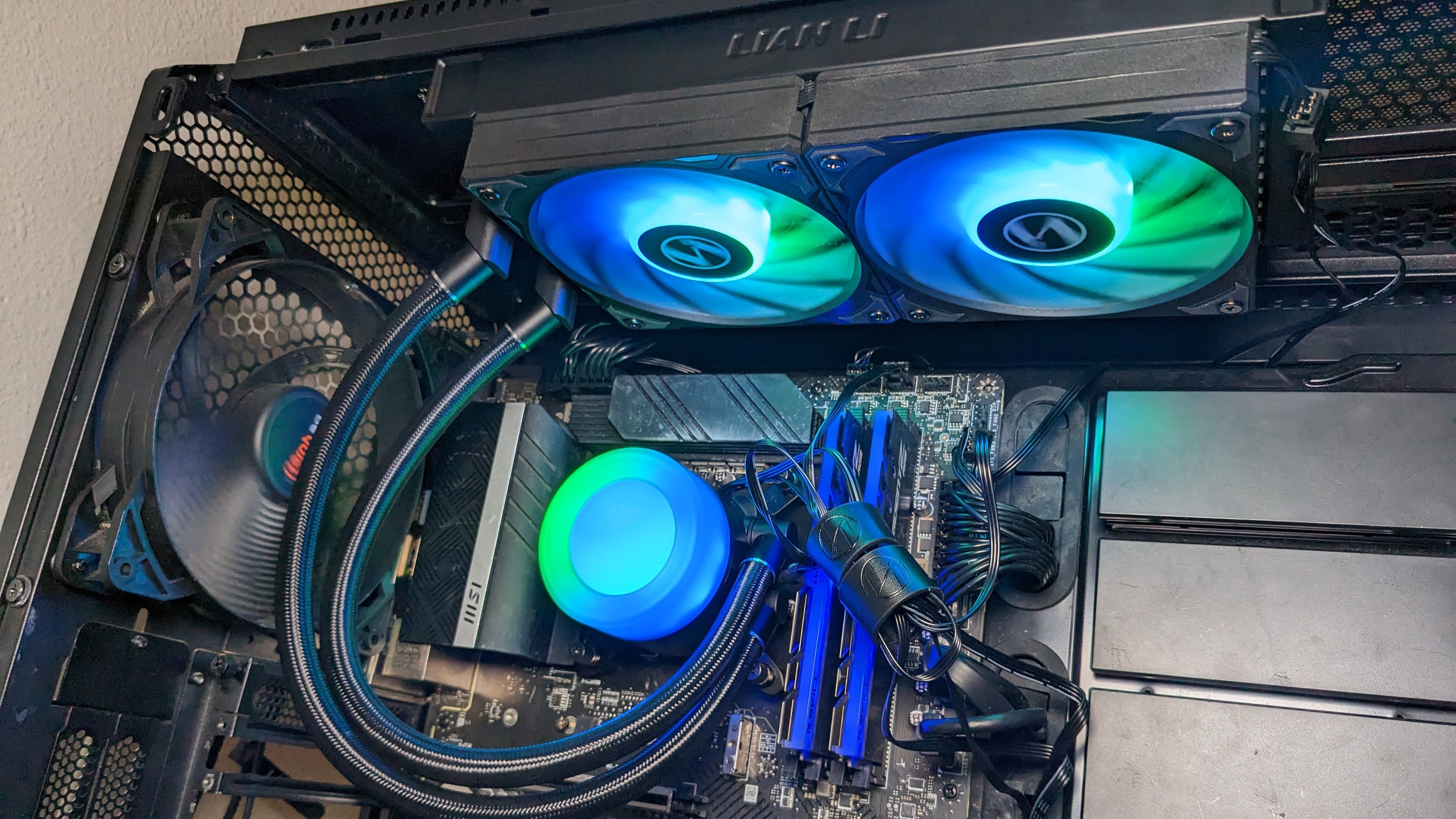
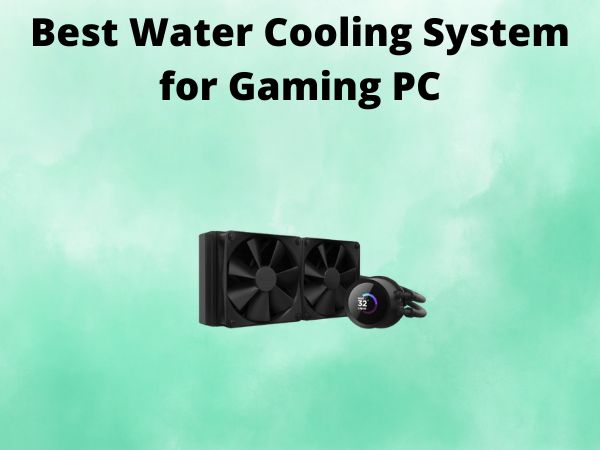
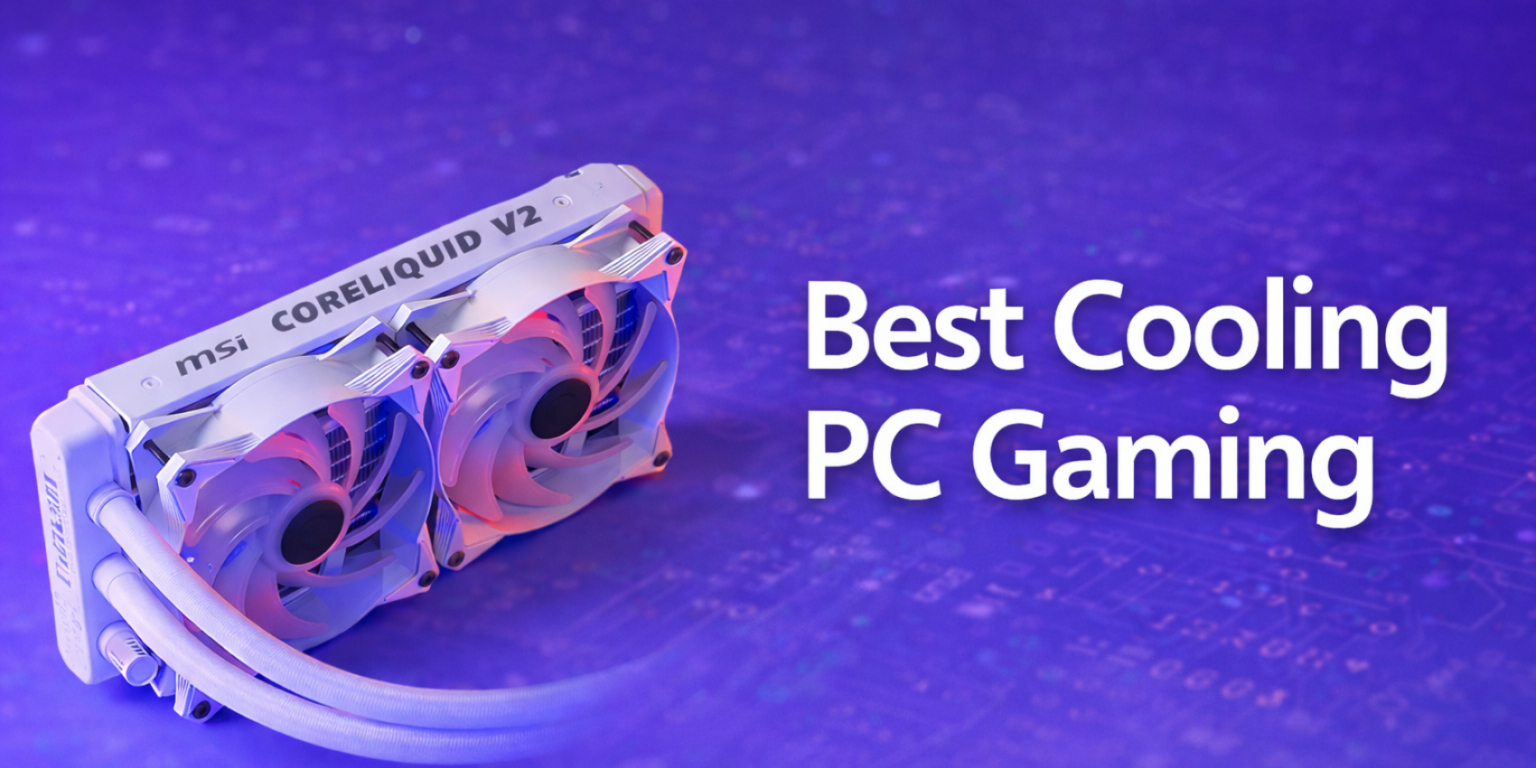
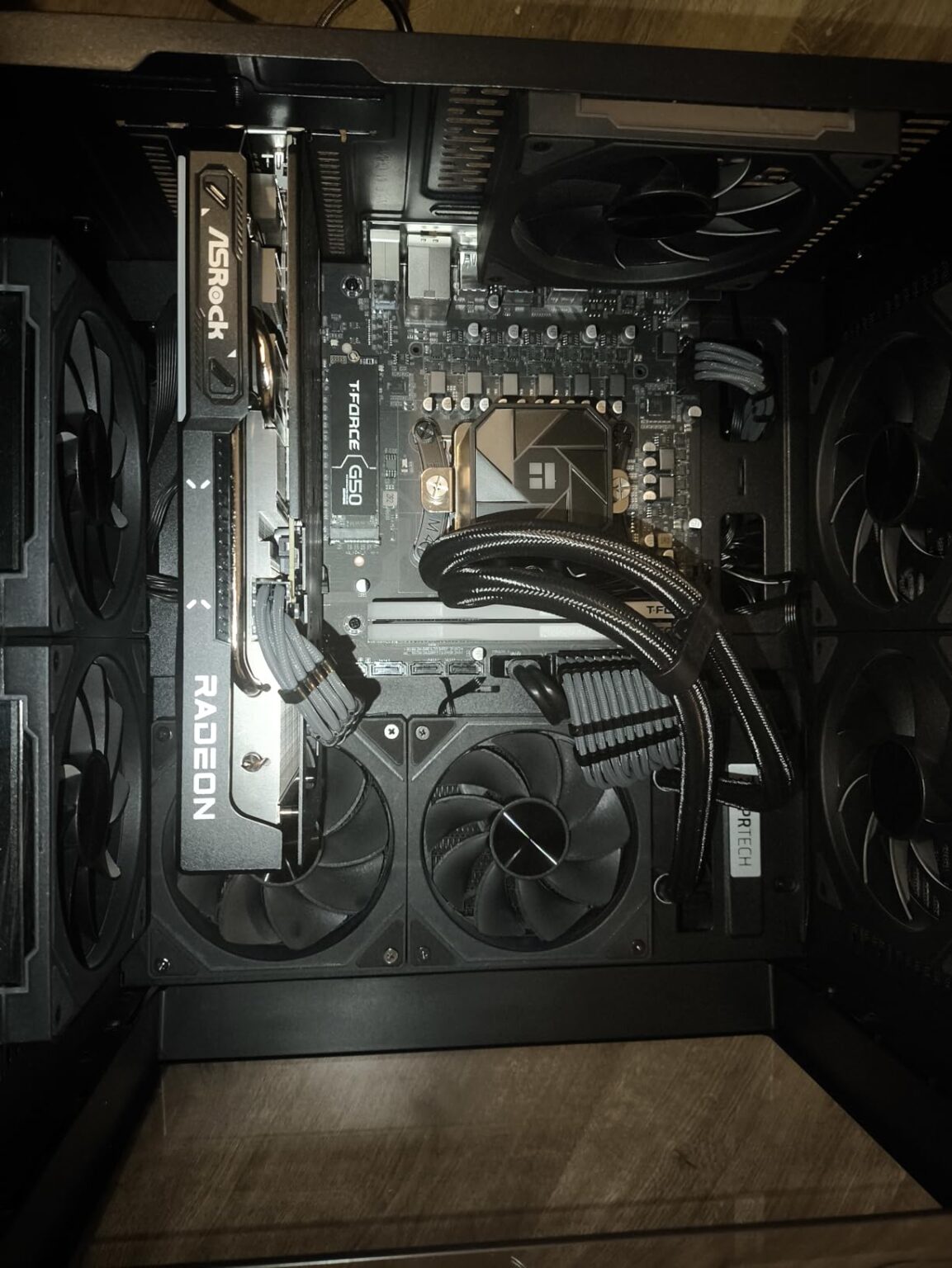
An All-in-One AIO liquid cooler works by circulating a coolant through a sealed loop. A cold plate mounted on the CPU absorbs heat which is then transferred to the coolant. The heated coolant travels through tubes to a radiator where fans blow air across the radiator fins cooling the liquid. The now-cooled liquid then returns to the cold plate to repeat the cycle continuously drawing heat away from the CPU ensuring stable temperatures during intense gaming sessions.
Is air cooling sufficient for high-end gaming PCs in 2026?
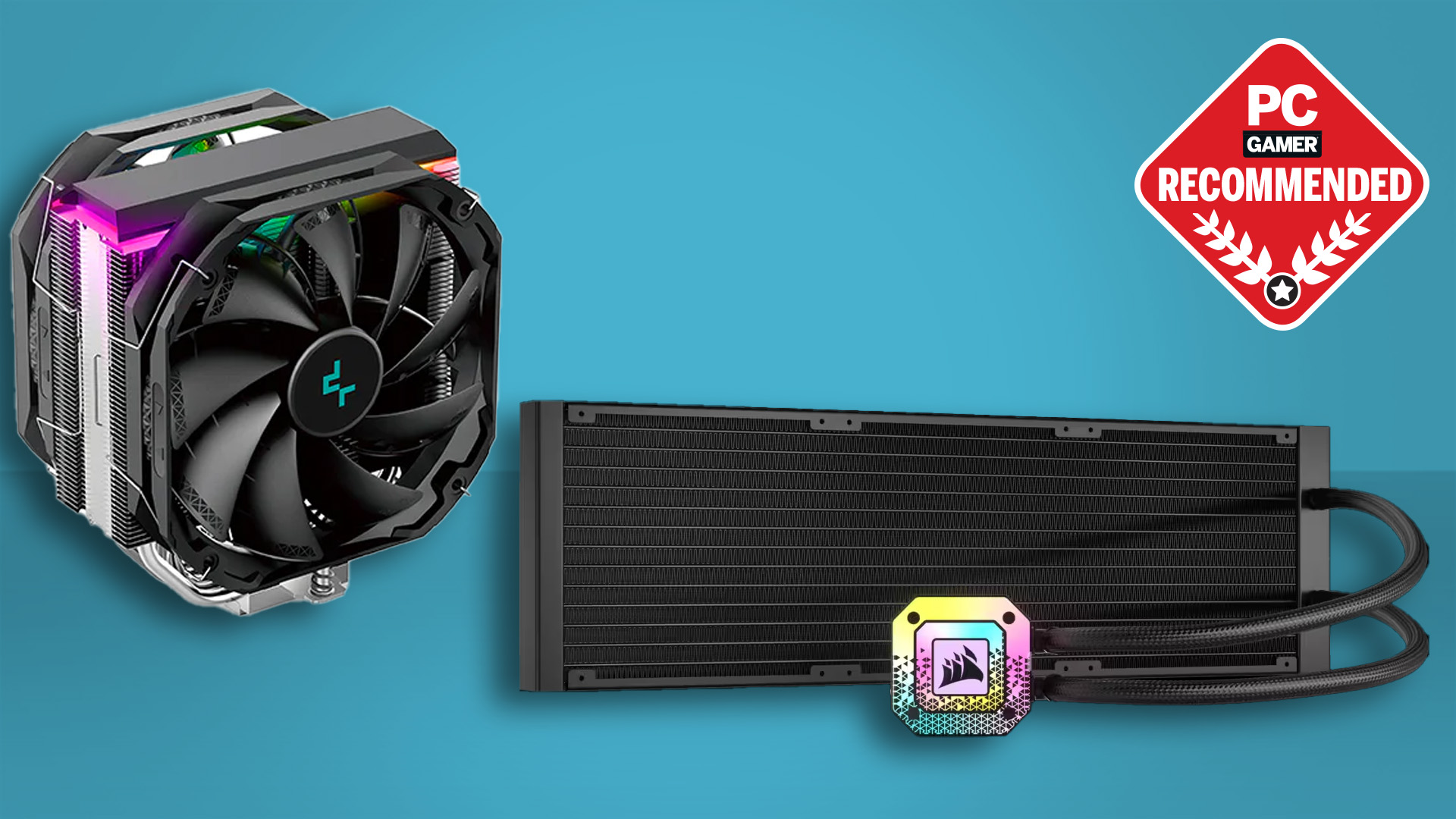
Yes for many high-end gaming PCs in 2026 a premium air cooler can be entirely sufficient especially if you are not engaging in extreme overclocking. Modern high-performance air coolers with dual towers and multiple fans offer excellent heat dissipation competitive with smaller AIO liquid coolers. They are also generally more reliable simpler to install and require less maintenance making them a practical and effective choice for serious gamers.
What's the best way to clean my gaming PC fans and heatsinks?
The best way to clean your gaming PC fans and heatsinks is to use compressed air to blow out dust buildup. First power down and unplug your PC. Take it to a well-ventilated area ideally outdoors. Hold the fan blades in place while spraying to prevent over-spinning which can damage them. For stubborn grime a soft brush or cotton swab lightly dampened with isopropyl alcohol can be used taking care not to get moisture on electronics. Regular cleaning every 3-6 months significantly improves cooling efficiency.
How often should I replace thermal paste on my CPU for optimal cooling?
For most gamers replacing thermal paste on your CPU every 2 to 3 years is a good practice for optimal cooling. While high-quality thermal paste can last longer its effectiveness can degrade over time leading to slightly higher temperatures. If you uninstall and reinstall your CPU cooler for any reason you should always clean off the old paste and apply a fresh layer to ensure the best thermal conductivity.
Can poor gaming PC cooling cause game crashes or system instability?
Yes absolutely. Poor gaming PC cooling is a common culprit for game crashes and overall system instability. When your CPU or GPU overheats they often trigger thermal throttling which can cause performance drops stuttering or even force a system shutdown to prevent permanent damage. Consistent overheating can also lead to hardware degradation making components more prone to errors and unexpected crashes during gameplay.
What are typical gaming PC temperatures for CPU and GPU during intense play?
During intense gaming, typical CPU temperatures should ideally stay between 60-75 degrees Celsius, though occasional spikes up to 80C are usually acceptable. For the GPU, temperatures generally range from 65-80 degrees Celsius. Consistently exceeding these ranges, especially hitting 90C or higher, indicates inadequate cooling that needs to be addressed to protect your hardware and maintain performance.
Hey fellow gamers Ever been in the middle of a nail-biting boss fight or a crucial ranked match only for your PC to start sounding like a jet engine or worse begin to stutter and lag You are not alone. For many of us balancing work family and life gaming is that precious escape a time to unwind build skills or connect with friends. The last thing we need is a temperamental rig letting us down. Thats where a robust gaming PC cooling system comes in. With 87 percent of US gamers regularly diving into their virtual worlds often for 10 or more hours a week ensuring your hardware stays cool is paramount to both performance and peace of mind.
Modern games push our processors and graphics cards harder than ever before. Without adequate cooling these components can overheat leading to something called thermal throttling where your hardware intentionally slows down to prevent damage. This means frame drops stutters and a less immersive experience. It also shortens the lifespan of your expensive components. This month gaming trends continue to show a strong focus on graphically intensive titles and cross-platform play making efficient cooling more critical than ever. This guide is your friendly no-nonsense walkthrough to understanding optimizing and upgrading your gaming PC cooling system so you can focus on conquering worlds not worrying about your temps.
Why is a Strong Gaming PC Cooling System Crucial for Performance?
A strong gaming PC cooling system is the silent guardian of your gaming performance and hardware longevity. When your CPU and GPU run hot they become less efficient. This inefficiency directly translates to lower frame rates reduced graphics fidelity and potential system instability. For gamers who prioritize smooth consistent gameplay and high resolutions proper cooling ensures that your components can operate at their advertised boost clocks without throttling. Think of it like a marathon runner needing to stay hydrated to maintain their pace your PC needs to stay cool to maintain its speed.
Beyond immediate performance benefits effective cooling significantly extends the lifespan of your valuable gaming hardware. Heat is the enemy of electronics and prolonged exposure to high temperatures can degrade components over time. Investing in a good cooling solution now can save you from costly replacements or frustrating downtime later. Many busy adult gamers want a system they can rely on for years and a solid cooling system is fundamental to that reliability.
What are the Main Types of Gaming PC Cooling Systems?
The world of gaming PC cooling primarily boils down to two main types: air cooling and liquid cooling. Both have their pros cons and ideal use cases.
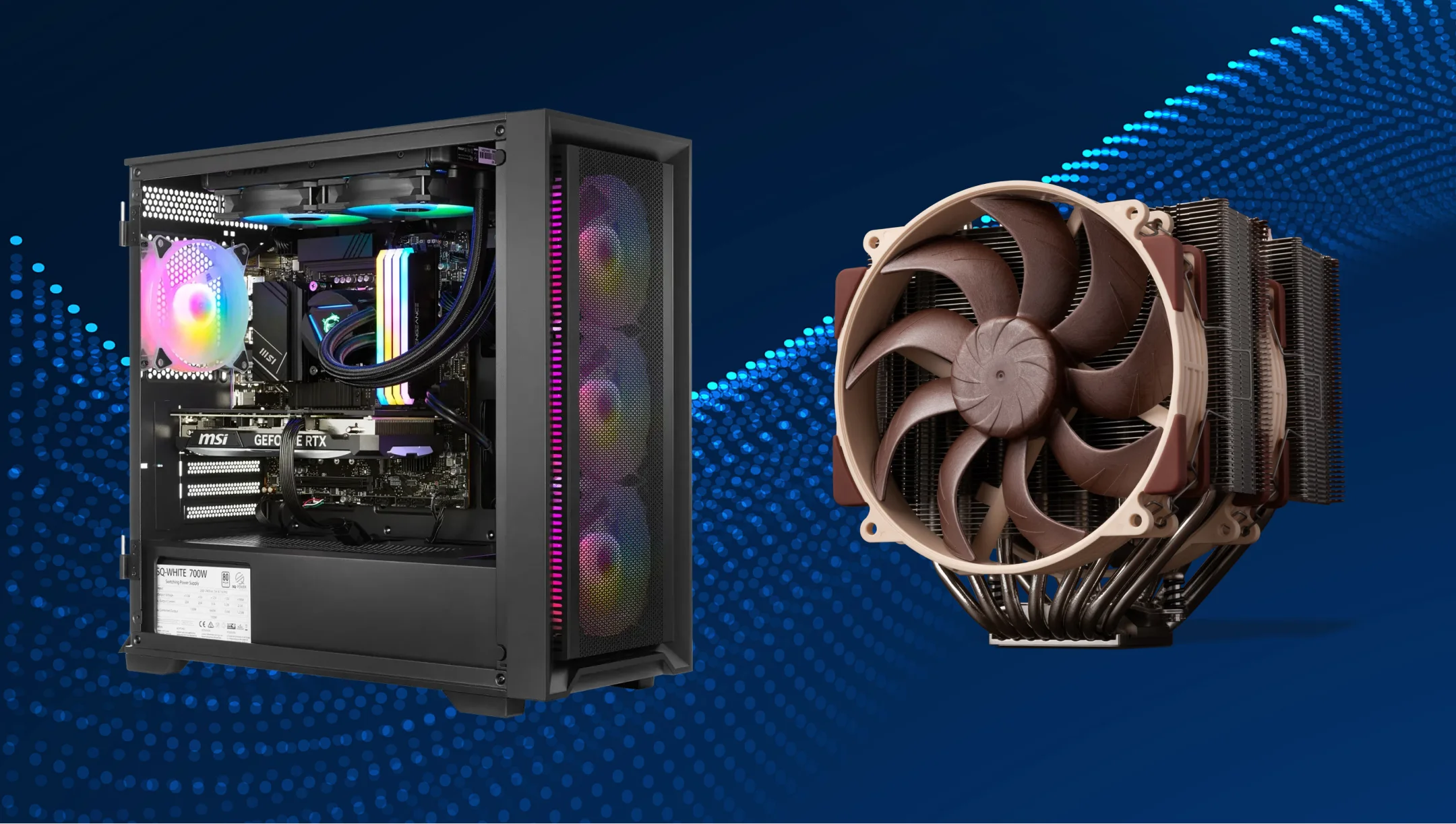
- Air Cooling: This is the traditional method involving a heatsink with fins and one or more fans. The heatsink absorbs heat from the CPU and the fan then dissipates this heat into the surrounding air within the PC case. Air coolers range from small stock coolers to massive tower-style heatsinks with multiple fans. They are generally more affordable easier to install and require less maintenance than liquid coolers. For many mid-range gaming builds air cooling offers excellent value and performance.
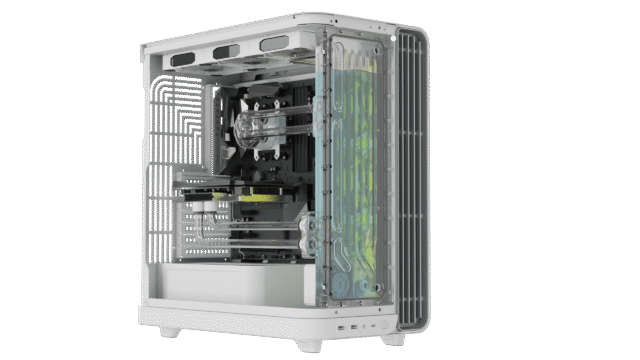
- Liquid Cooling (AIO and Custom Loop): Liquid cooling uses a coolant circulated through a closed loop to transfer heat away from components.
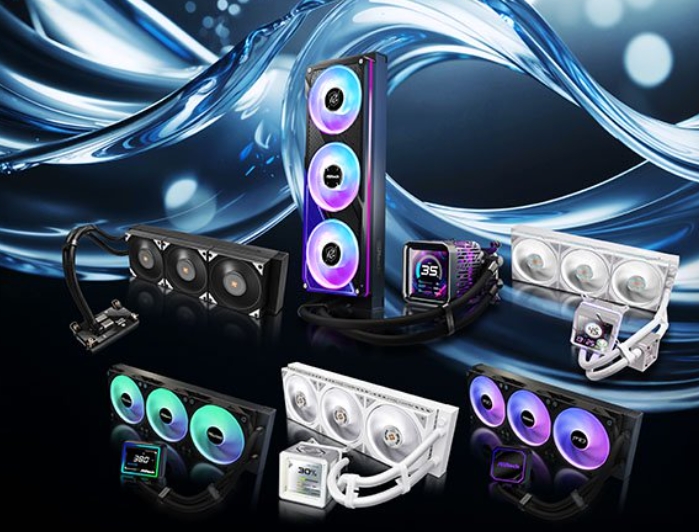
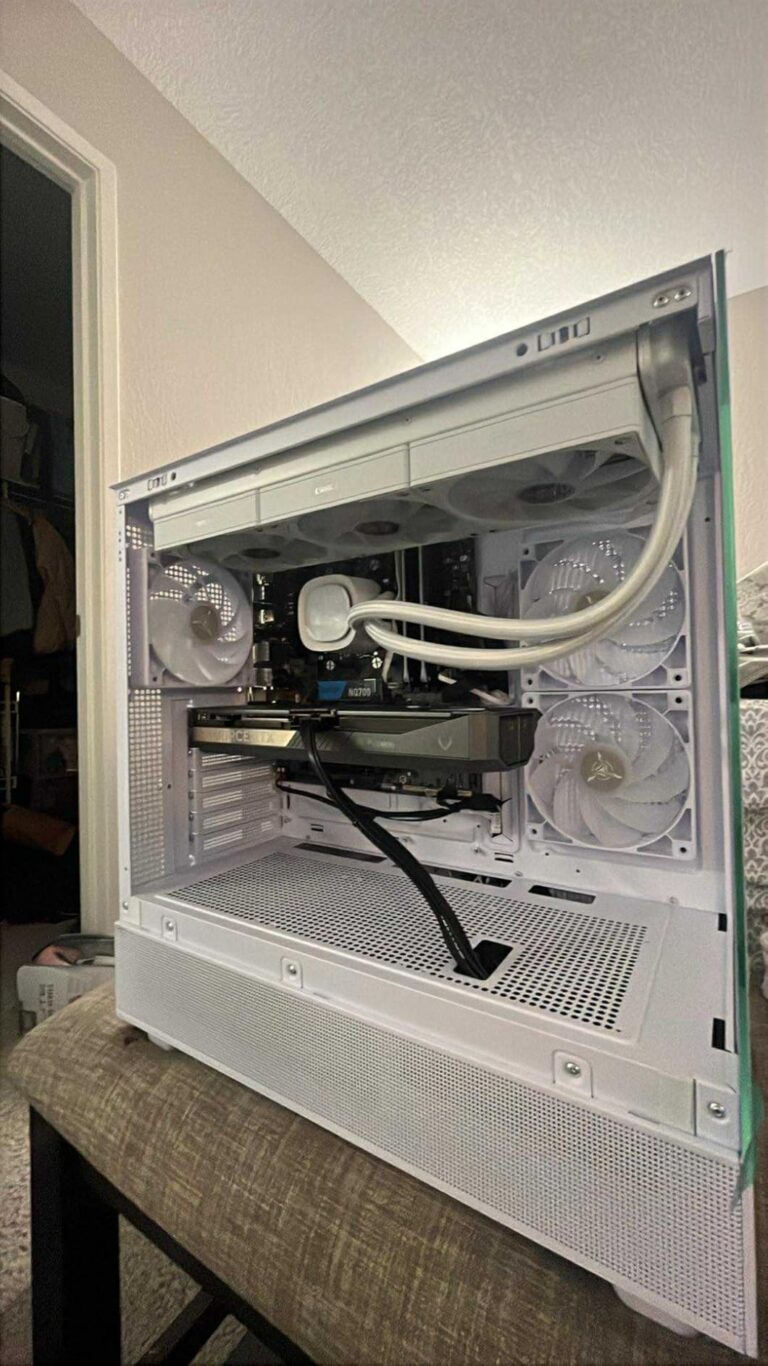
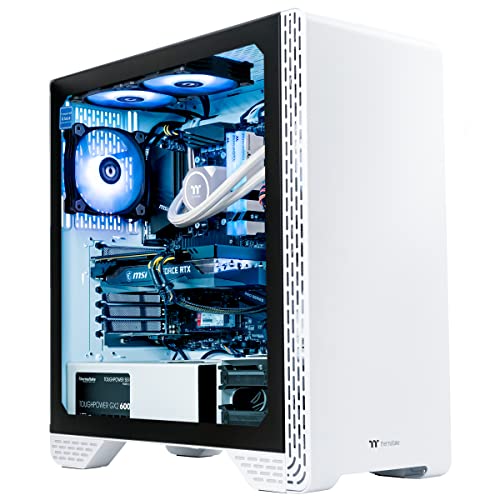
- All-in-One (AIO) Liquid Coolers: These are sealed pre-filled units that consist of a pump a radiator and tubes. They are simpler to install than custom loops and offer superior cooling performance compared to most air coolers especially for high-end CPUs. AIOs are a popular choice for gamers seeking aesthetics and robust cooling without the complexity of custom setups.
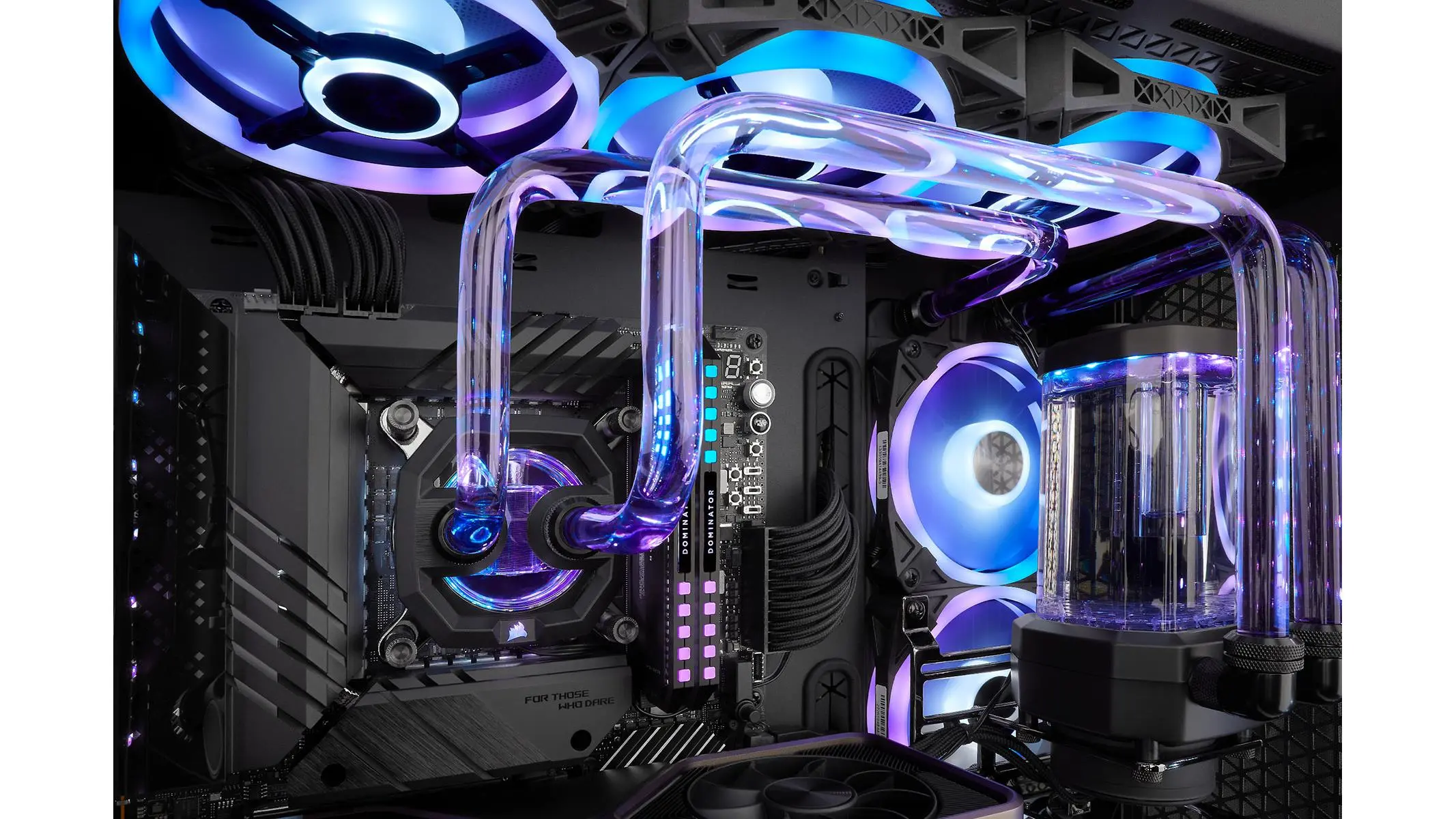
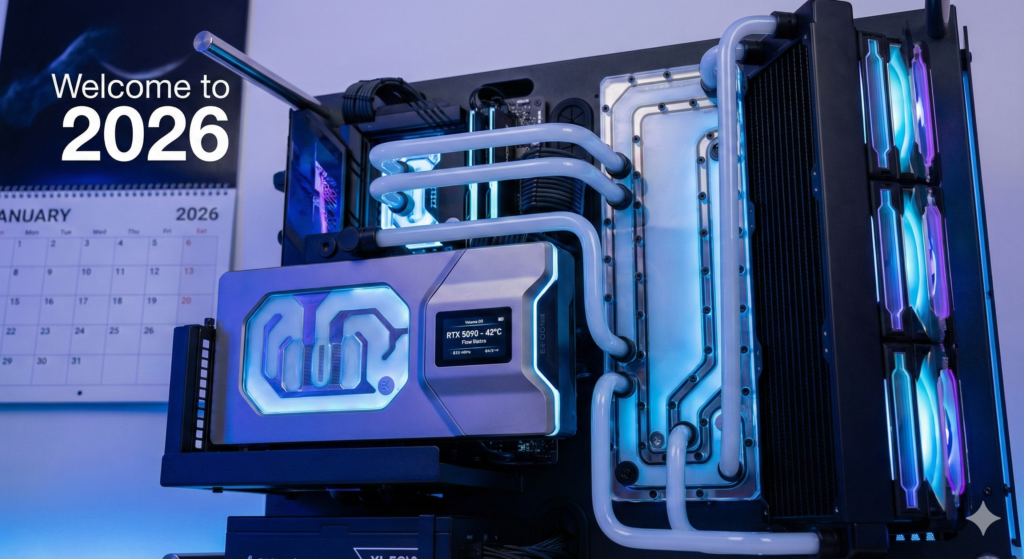
- Custom Loop Liquid Cooling: This is the most effective and aesthetically striking form of cooling but also the most complex and expensive. It involves custom-fitted components like reservoirs pumps tubing and radiators allowing you to cool multiple components such as both the CPU and GPU within the same loop. Custom loops are for enthusiasts who demand the absolute best performance and enjoy the customization aspect.
How Do I Choose the Best CPU Cooler for My Gaming PC?
Choosing the best CPU cooler for your gaming PC involves balancing your CPU's thermal design power TDP your case's compatibility and your budget. First identify your CPU's TDP and check online reviews for coolers that effectively manage that heat. For instance a high-end Intel i9 or AMD Ryzen 9 will likely benefit most from a 240mm or 360mm AIO liquid cooler or a top-tier dual-tower air cooler. Mid-range CPUs might be perfectly fine with a good single-tower air cooler.
Next measure your PC case to ensure the cooler fits. Check maximum cooler height for air coolers and radiator length/thickness for AIOs. Also consider RAM clearance as large air coolers can sometimes interfere with tall RAM sticks. Finally set a budget. While a top-tier liquid cooler might offer marginal performance gains it might not be worth the extra cost if a high-performance air cooler can keep your CPU well within safe operating temperatures. Look for coolers with good fan quality as noisy fans can detract from your gaming experience. For busy gamers value for money and reliable performance are key considerations.
What's the Optimal Fan Configuration for a Gaming PC Case?
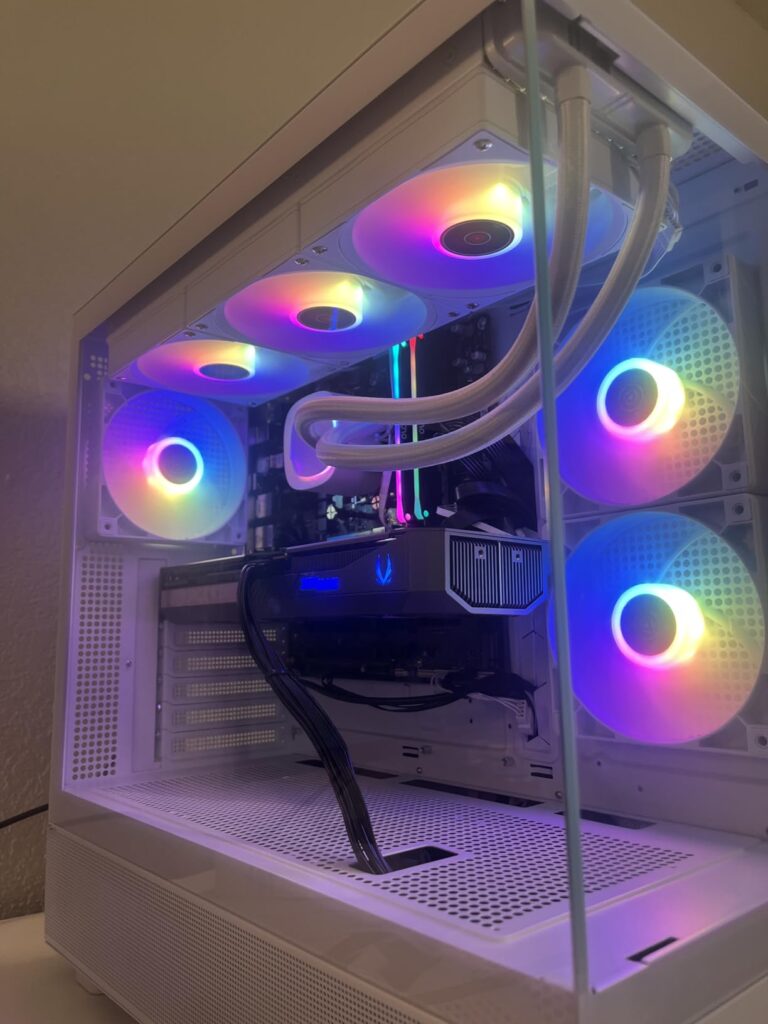
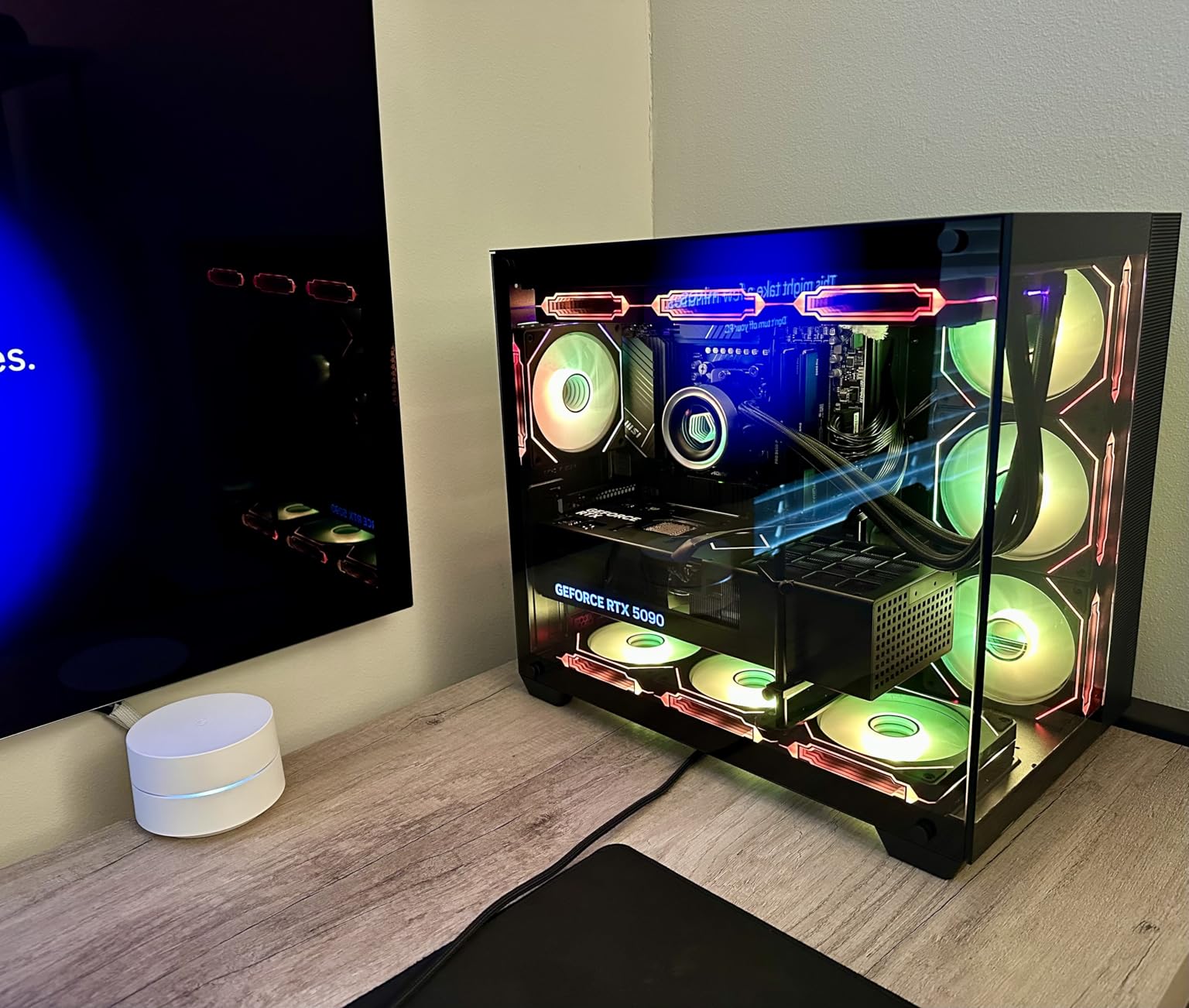
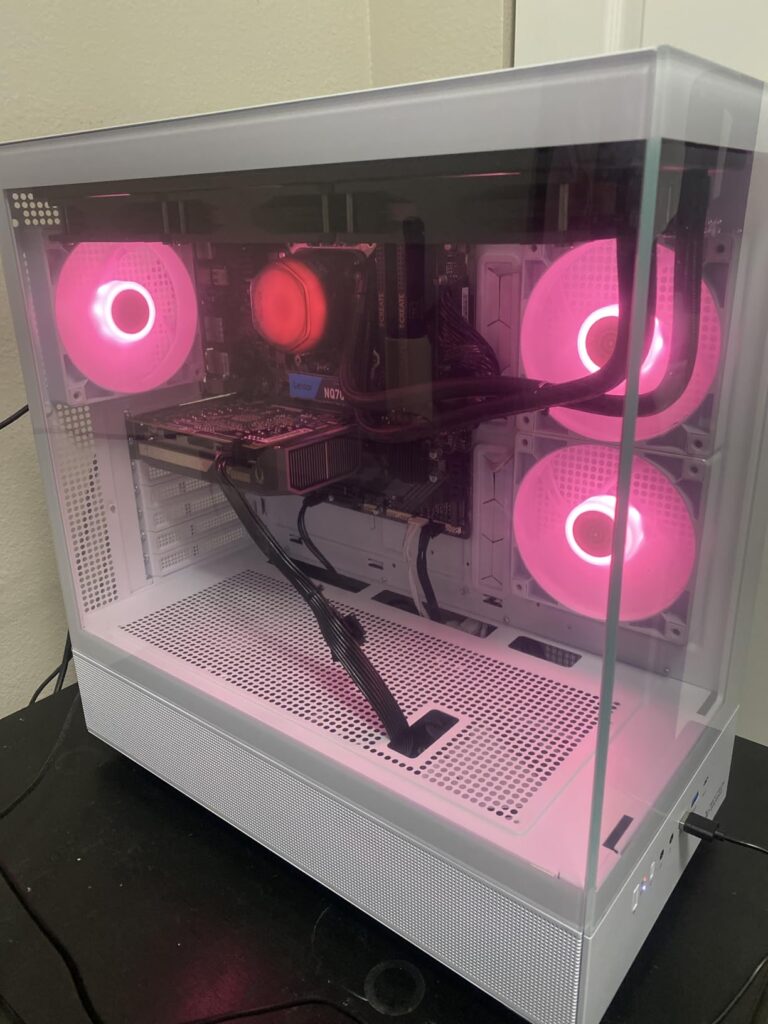
An optimal fan configuration for a gaming PC case creates efficient airflow moving cool air in and hot air out. The most common and effective setup is positive pressure where more air flows into the case than out. This helps keep dust out and ensures cool air reaches all components. A typical setup involves:
- Front Fans (Intake): Install two or three fans at the front of your case pulling cool air in. These should ideally be your main intake.
- Bottom Fans (Intake): If your case supports it a bottom intake fan can help cool your GPU directly.
- Rear Fan (Exhaust): One fan at the back of the case exhausting hot air. This is crucial for expelling the heat generated by your CPU cooler.
- Top Fans (Exhaust): One or two fans at the top of the case exhausting hot air. Hot air rises so top exhaust fans are very effective.
Aim for a balanced flow. Experiment with fan speeds and directions using monitoring software to find the sweet spot between cooling performance and noise levels. Remember that 87% of US gamers regularly engage in gaming and keeping your system stable is crucial for consistent performance.
When Should I Consider Upgrading My PCs Cooling System?
You should consider upgrading your PC's cooling system if you notice consistent high temperatures during gaming thermal throttling leading to performance drops or excessive fan noise. If you've recently upgraded your CPU or GPU to a more powerful component your old cooling system might not be adequate for the increased heat output. Even if you haven't upgraded component ages. Older coolers can become less efficient due to dust buildup or degraded thermal paste.
Another reason is if you're venturing into overclocking. Pushing your hardware beyond factory settings generates more heat requiring a more robust cooling solution to maintain stability. For gamers who prioritize a quiet experience an upgrade to a more efficient and quieter cooler can significantly enhance enjoyment. Keeping your system optimized ensures you stay current with trends and enjoy your games without frustration.
How Can I Monitor My Gaming PCs Temperatures Effectively?
Monitoring your gaming PCs temperatures effectively is crucial for understanding its health and identifying potential cooling issues. Several free software tools can help you keep an eye on your CPU and GPU temps. Popular options include:
- HWMonitor: Provides detailed readings for CPU core temperatures GPU temperatures fan speeds and other sensor data.
- NZXT CAM: Offers an intuitive interface for monitoring temperatures FPS and system usage. It also allows some control over fan curves for NZXT hardware.
- MSI Afterburner (for GPU): Primarily for GPU overclocking and monitoring but it also displays GPU temperature and usage in an overlay during gameplay.
- Core Temp (for CPU): A lightweight utility focused solely on CPU temperature monitoring.
Aim for CPU temperatures under 80 degrees Celsius and GPU temperatures under 85 degrees Celsius during heavy gaming sessions. Anything consistently above these thresholds indicates a need to investigate your cooling solution. Regular monitoring helps busy gamers catch issues before they become serious performance problems.
Are There Budget-Friendly Cooling Upgrades for Gamers?
Absolutely Even on a budget there are several effective ways to improve your gaming PC cooling system without breaking the bank. Many gamers need value for money and smart upgrades.
- Clean Your PC Regularly: Dust buildup is a primary cause of overheating. Use compressed air to clean out fans heatsinks and vents every few months. This simple step can dramatically improve airflow and reduce temperatures.
- Improve Case Airflow: Ensure your case has proper intake and exhaust fans. If you only have one exhaust fan adding an intake fan can make a big difference. Even inexpensive case fans can improve overall airflow.
- Replace Thermal Paste: Over time the thermal paste between your CPU cooler and CPU can dry out becoming less effective. Replacing it with a fresh application of high-quality thermal paste is a cheap but very effective upgrade.
- Cable Management: Tidying up your internal cables can improve airflow within your case preventing obstructions that trap hot air.
- Reposition PC: Ensure your PC is not crammed into a tight space. Give it room to breathe with plenty of clearance around its intake and exhaust vents.
These tips are excellent for gamers looking to optimize performance on a budget a common pain point for many balancing gaming with life.
Does Proper Thermal Paste Application Really Matter for Cooling?
Yes proper thermal paste application absolutely matters for effective cooling. Thermal paste fills the microscopic gaps and imperfections between your CPU's integrated heat spreader IHS and the CPU cooler's base plate. These tiny gaps if left unfilled can trap air which is a poor conductor of heat. By replacing that air with highly conductive thermal paste you create a much more efficient path for heat to transfer from your CPU to its cooler. This direct thermal transfer is critical for keeping your CPU cool especially during demanding gaming sessions where every degree counts.
Applying too much or too little paste can hinder performance. Too much can spill over and potentially interfere with other components although most modern pastes are non-conductive. Too little can leave air gaps. A small pea-sized dot in the center for most CPUs or a thin line for rectangular CPUs is generally recommended. Always consult your cooler or CPU manufacturer's guidelines. This small detail can significantly impact your gaming PC cooling system's overall efficiency.
What Common Mistakes Should I Avoid with My Gaming PC Cooling?
To ensure your gaming PC cooling system performs its best avoid these common mistakes:
- Ignoring Dust Buildup: Dust acts as an insulating layer trapping heat and impeding airflow. Regular cleaning is essential.
- Incorrect Fan Orientation: Having fans blowing against each other or failing to create a clear intake-to-exhaust path will create turbulence and diminish cooling.
- Poor Cable Management: Haphazardly arranged cables can block airflow leading to hot spots within the case.
- Using Stock Coolers for Overclocking: While stock coolers are fine for basic use they are rarely sufficient for overclocking or high-end gaming.
- Forgetting Thermal Paste: Always ensure new thermal paste is applied when installing or reinstalling a CPU cooler.
- Placing PC in Confined Spaces: A PC needs room to breathe. Don't put it in an enclosed cabinet or directly against a wall that blocks vents.
- Not Monitoring Temperatures: Without monitoring you won't know if your cooling system is actually doing its job effectively.
Avoiding these pitfalls ensures your system runs cooler and performs better allowing you to enjoy your gaming time without performance hiccups. This is crucial for gamers seeking performance optimization and value for money.
How Does Cooling Impact GPU Performance in Gaming?
The GPU or graphics card is often the workhorse of your gaming PC especially in graphically intensive titles and its cooling system has a direct and profound impact on its performance. Like CPUs GPUs also suffer from thermal throttling. When a GPU reaches a certain temperature threshold it will automatically reduce its clock speed and voltage to prevent damage. This reduction in performance means fewer frames per second and a less fluid gaming experience.
Modern GPUs are designed to boost to higher clock speeds as long as temperatures allow. Excellent GPU cooling enables your graphics card to maintain those higher boost clocks for longer periods resulting in consistently higher frame rates. This is vital for gamers who demand the best visual fidelity and smooth gameplay. Good cooling also helps prevent artifacting graphical glitches that can appear when a GPU is under stress from high temperatures. Ensuring your GPU stays cool is just as important as CPU cooling for overall gaming performance and enjoyment.
Conclusion
Optimizing your gaming PC cooling system is not just about raw power it's about smart sustainable performance that fits into your busy life. By understanding the basics of airflow choosing the right components and maintaining your system you can ensure your gaming rig runs smoothly quietly and reliably for years to come. No more worrying about frame drops or overheating during your precious gaming sessions. Just pure unadulterated fun and skill-building whether youre diving into the latest AAA title or enjoying a cozy social game with friends.
What's your biggest gaming challenge when it comes to keeping your PC cool Comment below!
FAQ Section
What is the ideal gaming PC temperature range?
For CPU aim for under 80 degrees Celsius and for GPU under 85 degrees Celsius during heavy gaming. Idle temperatures should be significantly lower typically below 50 degrees Celsius.
How often should I clean my gaming PC's cooling system?
Its generally recommended to clean your PC every 3 to 6 months. If you have pets or live in a dusty environment you might need to clean it more frequently.
Are liquid coolers better than air coolers for gaming?
For most high-end gaming and overclocking liquid coolers particularly AIOs generally offer superior cooling performance. However high-end air coolers can often compete with smaller AIOs and are more reliable with less maintenance.
Can a bad cooling system damage my PC components?
Yes persistent overheating can degrade and shorten the lifespan of your CPU GPU and other components leading to premature failure. It's an investment in hardware longevity.
Is RGB lighting on fans just for aesthetics or does it help cooling?
RGB lighting is purely for aesthetics and has no impact on cooling performance. While visually appealing choose fans based on their airflow and static pressure specifications first.
How does case size affect cooling performance?
Larger cases generally offer better airflow and more space for larger coolers and radiators. Smaller cases can be more challenging to cool effectively often requiring more carefully planned fan configurations.
Should I use a fan controller?
A fan controller allows you to manually adjust fan speeds balancing cooling performance with noise levels. Many motherboards offer BIOS or software-based fan control making a dedicated controller less necessary for most users.
Optimal gaming performance prevents overheating extends hardware life maintains stable frame rates understanding air vs liquid cooling choosing the right cooler fan configuration thermal paste application and budget friendly cooling upgrades for your gaming PC.
35

12 Best Water Cooling System For Gaming Pc March 2026 Tested Featured Image Olik Rhd . Best Gaming PCs With Water Cooling 2026 Top 8 Systems Featured Image 5r18msbp 300x210 . PC Cooling The Ultimate Guide For PC Case Builder 2 4.webp. Best Liquid Cooling Kit For Gaming PC In 2026 YouTube . Cpu Cooling System Water Cooling Pc System.webp


Cpu Cooling System . Cooling Systems And PC Case Innovation For Modern Computers Forbidden PC . Top Gaming PC Builds Master The Hardware Game In 2026 Gaming Setup . ASRock CES 2026 Gaming Hardware Cooling 1 . The 15 Best Gaming PC In 2026 Tested Reviewed Com Best AIO Liquid Coolers For High Performance Gaming PC Builds


Best Gaming PC Cases 2026 Airflow Aesthe Gaming PC Guru Best Budget Aio Liquid Coolers 2026 800x500 . 12 Best Gaming PCs With Water Cooling June 2026 Guide B0F5PY4CXW Customer 1 768x1024 . Best Gaming PCs With Water Cooling 2026 Top 8 Systems 51Ha76 1DSL . Best Liquid Cooler For Gaming PC 2026 Reviews. Top 10 Best Desktop Computers 2026 For Home Office And Work Lenovo Legion Tower 7i 2026 High Performance Desktop Computer With RGB Lighting Featured In

5 Best Water Cooling System For Gaming PC In 2026 Best Water Cooling System For Gaming PC . Best Cooling PC Gaming Top 10 Coolers 2026 Best Cooling Pc Gaming 1 1536x768 . Best CPU Coolers In 2024 PC Gamer . 12 Best Gaming PCs With Water Cooling January 2026 Guide B0F1Z4JBQX Customer 1 . 6 Best PC Cases For GPU Cooling 2026 Tested For 200 Hours B0DQPSPPSZ Customer 2
IBUYPOWER Shows A New Water Cooled Gaming PC Concept At CES 2026 BetaNews 1040.500 640x360 . 12 Best Gaming PCs With Water Cooling June 2026 Guide B0F5PY4CXW Customer 2 768x1366 . Best Cooling PC Gaming Top 10 Coolers 2026 Benchmark 768x402 . 12 Best Gaming PCs With Water Cooling June 2026 Guide B0DQ6PVLCV Customer 1 768x1024 . Best Gaming PCs With Water Cooling 2026 Top 8 Systems 51faY19PZgL



Best Gaming Laptop Cooling Pads 2026 These Coolers Actually Work YouTube . 10 Best Mini PC Cooling Solutions April 2026 Tested Reviewed Best Mini PC Cooling Solutions 1024x683 . Cooler Master Shows New PC Cases Power And Cooling Solutions At Las Cooler Master CES 2026 1280x640 . Best Cooling PC Gaming Top 10 Coolers 2026 Low Cost PC For Gaming 768x402 . CES 2026 The Biggest PC Hardware You Can T Miss APNX Expands Cooling Portfolio With LC2 And FP4 FP5 Fans 1024x819


Best Liquid Cooling For Gaming Pc In 2026 Buying Guide Welding FAQ SL500 . AC UL320 . 12 Best Gaming PCs With Water Cooling June 2026 Guide B0DQ6PVLCV Customer 2 768x1024 . 12 Best Gaming PCs With Water Cooling June 2026 Guide B0FCVPGXD7 Customer 2 1153x1536 . 2026 The State Of Liquid Cooling RTX 50 Series Trends Gemini Generated Image 1024x559 . The 15 Best Gaming PC In 2026 Tested Reviewed Com Is Liquid Cooler Better Than Air Cooler