Navigating the complex relationship between gaming and mental health, particularly depression, is a growing concern for many modern gamers. With the average US gamer being around 36 years old and often juggling jobs, families, and other life responsibilities, understanding how their passion impacts well-being is crucial. This guide provides a balanced, research-backed look at whether gaming truly causes depression, exploring both the potential risks and the significant mental health benefits. We will delve into recognizing warning signs, fostering healthy gaming habits, and leveraging gaming for stress relief and social connection. Whether you are a casual player seeking relaxation or a dedicated enthusiast aiming for peak performance, discover practical strategies to maintain mental wellness while enjoying your favorite virtual worlds. This informational resource aims to equip you with the knowledge to optimize your gaming experience without compromising your mental health.
When does gaming cause depression? It generally doesn't directly cause it, but excessive use or gaming used as an unhealthy coping mechanism can be associated with depressive symptoms or worsen existing ones.
H2What is the link between video game addiction and depression?
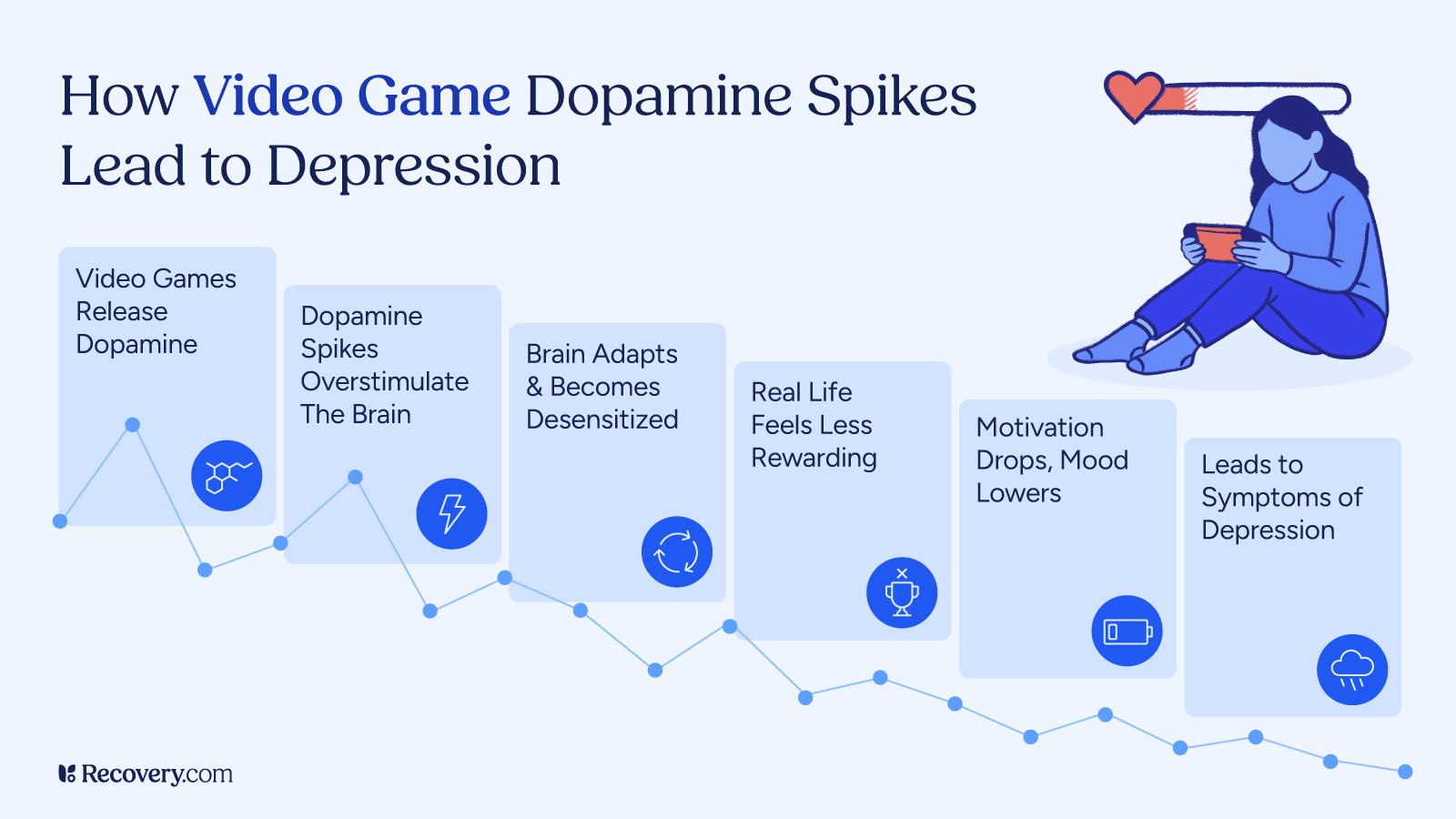
Video game addiction, or gaming disorder, is often comorbid with depression. Individuals may use gaming to self-medicate or escape depressive feelings, but this can lead to a cycle where the negative consequences of addiction exacerbate their depression, creating a problematic feedback loop.
H2Can reducing screen time help with gaming-related depression?
Yes, reducing excessive screen time can significantly help. It creates space for engaging in other mood-boosting activities like exercise, social interaction, improved sleep, and pursuing real-world hobbies, all of which are crucial for mental well-being and combating depression.
H2What are healthy gaming habits to prevent depression?
Healthy gaming habits include setting time limits, taking regular breaks, prioritizing sleep and physical activity, maintaining real-world social connections, and using gaming for relaxation and enjoyment rather than escape. Balance is key to positive mental health.
H2How can I tell if my friend's gaming is causing them to be depressed?
Look for changes in their behavior: increased isolation, neglecting responsibilities, loss of interest in other activities, persistent sadness or irritability, sleep problems, and defensive reactions when gaming is mentioned. Encourage open conversation and professional help.
H2Are certain types of games more likely to contribute to depression?
No specific game type directly causes depression. However, highly immersive MMORPGs or competitive games with intense social pressure and endless progression systems can lead to problematic engagement if not balanced, potentially exacerbating depressive tendencies in vulnerable individuals.
H2Where can someone find support if they feel gaming is contributing to their depression?
Start by talking to a trusted friend or family member. For professional help, consult a general practitioner, a therapist specializing in addiction or mental health, or mental health organizations like the National Alliance on Mental Illness (NAMI) or the Mental Health America (MHA) for resources and support groups.
For many of us, after a long day of work, managing family duties, or tackling life’s endless to-do list, diving into a favorite game is more than just a pastime; it is a vital escape, a source of relaxation, and a way to connect with friends. US gaming statistics reveal that an impressive 87% of gamers play regularly, often dedicating 10 or more hours a week to their passion. With mobile gaming leading the charge and cross-platform play fostering vast social networks, gaming is an undeniable force in modern culture. However, a question often surfaces in the back of our minds, amplified by media headlines and concerned loved ones: does gaming cause depression? It is a complex issue, far more nuanced than a simple yes or no answer. This article is your practical guide, designed for the average gamer around 36 years old who values balancing virtual adventures with real-world responsibilities. We will cut through the noise, offering an evidence-based perspective on gaming's relationship with mental well-being, helping you understand the potential risks, celebrate the genuine benefits, and navigate your gaming life healthily.
Understanding this connection is not about demonizing games but about empowering you to optimize your experience. We will explore how your beloved hobby can truly enhance your life, from building valuable skills to fostering incredible social bonds, while also providing clear insights into when gaming might transition from a healthy outlet to a concern. Our goal is to equip you with the knowledge and actionable tips to ensure your gaming journey remains a source of joy, connection, and personal growth, rather than a contributor to mental health challenges.
Does Gaming Directly Cause Depression?
The straightforward answer is no, gaming does not directly cause depression in the same way a chemical imbalance or genetic predisposition might. However, it can be a contributing factor or an exacerbating element for individuals already vulnerable to mental health issues. Think of it less as a direct trigger and more as a component within a larger lifestyle and psychological framework. Research indicates that excessive gaming, particularly when it leads to social isolation, neglect of responsibilities, sleep deprivation, or physical inactivity, can create an environment where depressive symptoms are more likely to manifest or worsen. It is crucial to distinguish between correlation and causation here; people struggling with depression might turn to gaming as a coping mechanism, creating a cycle where gaming becomes an escape that inadvertently prolongs their underlying issues rather than resolving them.
What studies often highlight is not gaming itself, but the *way* gaming is integrated into a person's life. When gaming displaces essential activities like face-to-face social interactions, meaningful work or hobbies, proper sleep, and physical exercise, the risk to mental well-being increases significantly. For the typical adult gamer balancing work and family, it is less about the act of playing and more about the balance – or lack thereof – with other life domains. For instance, prioritizing gaming over a crucial family event or sacrificing sleep repeatedly for a late-night raid might be indicators of an imbalance that could lead to negative mood states over time.
What Are the Signs That Gaming Might Be Negatively Impacting My Mental Health?
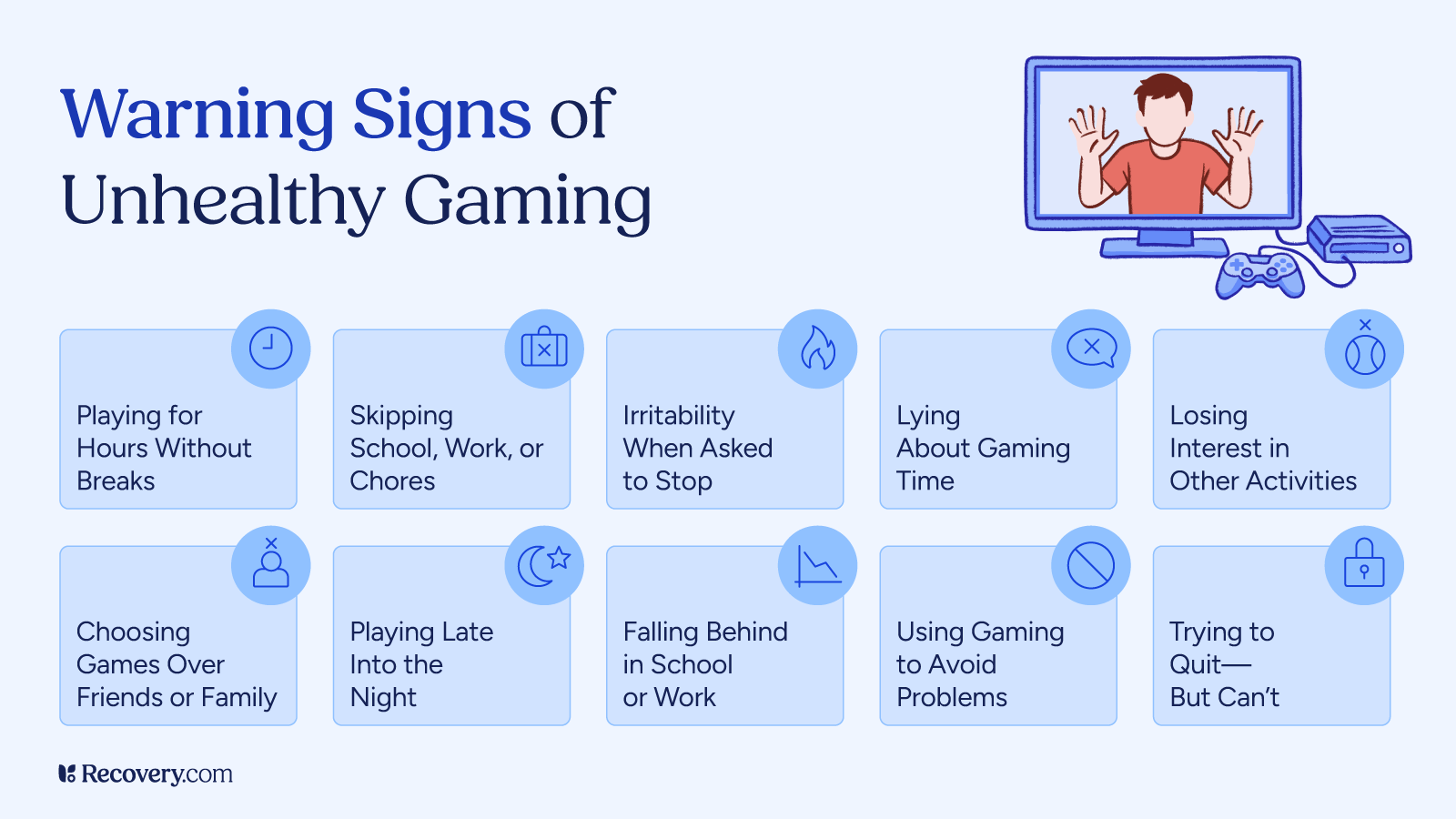
Recognizing the warning signs early is key to maintaining a healthy relationship with gaming. As busy adults, we often dismiss subtle shifts, but paying attention can make a significant difference. Here are some indicators that your gaming habits might be veering into problematic territory and potentially affecting your mental well-being:
- Increased Irritability or Mood Swings: You find yourself unusually agitated, anxious, or quick to anger, especially when you cannot game or are interrupted during play.
- Loss of Interest in Other Activities: Hobbies, social gatherings, or responsibilities you once enjoyed now seem dull or unappealing compared to gaming.
- Sleep Disturbances: Consistently staying up late to game, leading to fatigue, poor concentration, and a general feeling of being unwell the next day.
- Social Withdrawal: Preferring virtual interactions over real-world connections, neglecting friends, family, or romantic partners in favor of gaming.
- Neglect of Responsibilities: Letting work deadlines slip, household chores pile up, or personal hygiene decline because of gaming.
- Persistent Sadness or Emptiness: Feeling down, hopeless, or empty even when not gaming, or experiencing a brief high during gaming followed by a crash.
- Cravings and Preoccupation: Constantly thinking about gaming when you are not playing, feeling an intense urge to return to a game.
- Lying About Gaming Time: Hiding the amount of time you spend gaming from others due to guilt or fear of judgment.
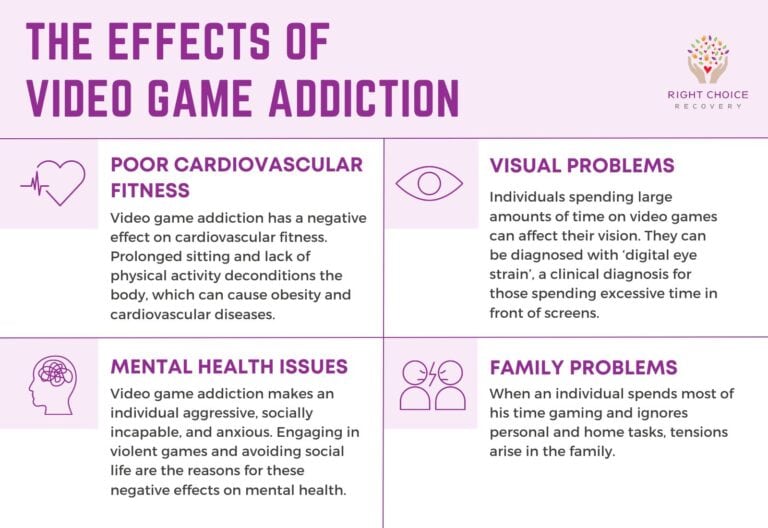
- Physical Symptoms: Eye strain, headaches, carpal tunnel syndrome, poor posture, or neglecting meals.
If these signs resonate with your experience, it is a cue to pause and re-evaluate your gaming habits, not necessarily to quit entirely, but to seek balance and support.
How Can Gaming Actually Benefit Mental Well-being?
While the focus often drifts to the negatives, gaming offers a wealth of benefits for mental well-being, especially for adults who engage mindfully. It is not all doom and gloom; many gamers around the world experience significant positive impacts. Here are some key ways gaming can be a mental health booster:
- Stress Relief and Relaxation: For many, gaming is a powerful stress reliever. Immersing oneself in a different world or tackling a challenging puzzle can effectively distract from daily pressures, providing a much-needed mental break. Casual, cozy games are particularly popular this month for their ability to soothe and unwind.
- Social Connection and Community: Online multiplayer games and platforms like Discord have become vital hubs for social interaction. For busy adults, these spaces offer opportunities to connect with friends, old and new, across distances and time zones. They foster a sense of belonging, teamwork, and shared achievement, combating loneliness, which is a significant factor in depression. Many gamers form lasting friendships and support networks through their guilds or clans.
- Cognitive Skill Development: Gaming can sharpen various cognitive functions, including problem-solving, strategic thinking, decision-making under pressure, reaction time, and spatial awareness. These skills are transferable to real-world scenarios, boosting confidence and mental agility.
- Emotional Regulation: Games can provide a safe space to process emotions, whether it is through managing frustration in a difficult level, celebrating triumphs, or even experiencing narratives that explore complex emotional themes.
- Sense of Achievement and Self-Efficacy: Successfully overcoming challenges in games, from beating a tough boss to completing a lengthy quest, provides a sense of accomplishment that can translate into increased self-esteem and confidence in real life.
- Mindfulness and Focus: Certain games require intense concentration, helping players practice mindfulness and enter a flow state, which can be highly therapeutic and reduce anxiety.
For the average gamer, balancing work, family, and personal time, these benefits are not trivial. Gaming can genuinely be a cornerstone of a healthy lifestyle when approached thoughtfully.
When Does a Healthy Gaming Habit Become Problematic?
The line between a passionate hobby and a problematic habit can be blurry, especially for adults who use gaming to unwind. A healthy gaming habit contributes positively to your life; a problematic one begins to detract from it. Here’s how to tell the difference:
- Impact on Core Life Areas: The most significant indicator is when gaming starts to negatively affect your job performance, academic success, family relationships, personal health, or financial stability. If you are consistently late for work because of gaming, or missing important family events, that's a red flag.
- Loss of Control: Feeling unable to stop or cut back on gaming despite a desire to do so. You might set limits but repeatedly fail to adhere to them.
- Tolerance and Withdrawal: Needing to game for longer periods to achieve the same level of satisfaction (tolerance), or experiencing negative emotional states (irritability, anxiety, sadness) when unable to game (withdrawal).
- Deception and Secrecy: Hiding your gaming activities from loved ones, lying about the time spent, or becoming defensive when confronted about your habits.
- Continued Use Despite Harm: Persisting with excessive gaming even when you recognize it is causing problems in your life, such as sleep deprivation, poor health, or relationship strain.
It is not about the hours spent alone, but the *context* of those hours. An esports pro playing 12 hours a day for a tournament is different from someone calling in sick to work to game. For the average gamer, a key sign is when gaming shifts from being a choice and a source of joy to feeling like a compulsion or an obligation.
What Specific Games or Genres Might Be More Linked to Negative Mental Health Outcomes?
While no game or genre inherently *causes* depression, certain types of games or in-game mechanics can create environments that are more conducive to problematic behaviors or exacerbate existing vulnerabilities. It is less about the genre itself and more about how specific design elements interact with an individual's psychology.
- Massively Multiplayer Online Role-Playing Games (MMORPGs): Games like World of Warcraft or Final Fantasy XIV can be highly immersive and time-consuming. Their endless progression systems, strong social pressures (guild obligations), and reward loops can make it hard to log off, leading to neglect of real-world responsibilities and social isolation if not managed carefully. The
Gaming and mental health connection examined; Identifying signs of problematic gaming; Benefits of gaming for stress and social ties; Strategies for balanced gaming; When to seek professional support; Impact of game design on well-being.
35#1 Gallery does gaming cause depression

Video Games And Depression Explained PDF Major Depressive Disorder 1. Can Video Games Cause Depression Video Games Depression . Video Games And Depression Gaming S Impact On Mental Health And Wellness Video Games Dopamine Depression Infographic . Depression Resources Management Strategies Do Video Games Cause Depression 1080x675 . Can Video Games Cause Depression How Could Video Games Cause Depression 800x800
#2 Gallery does gaming cause depression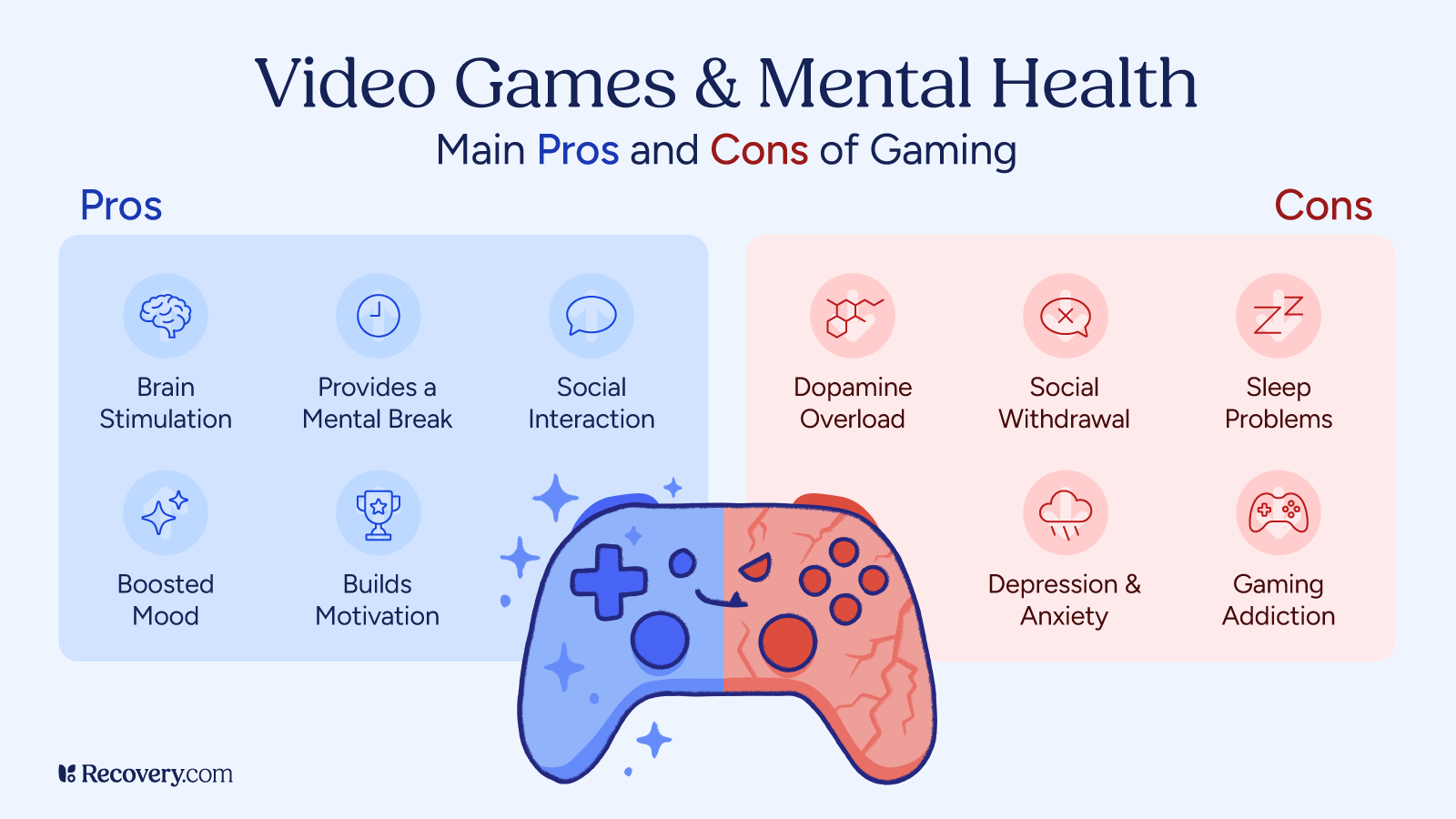

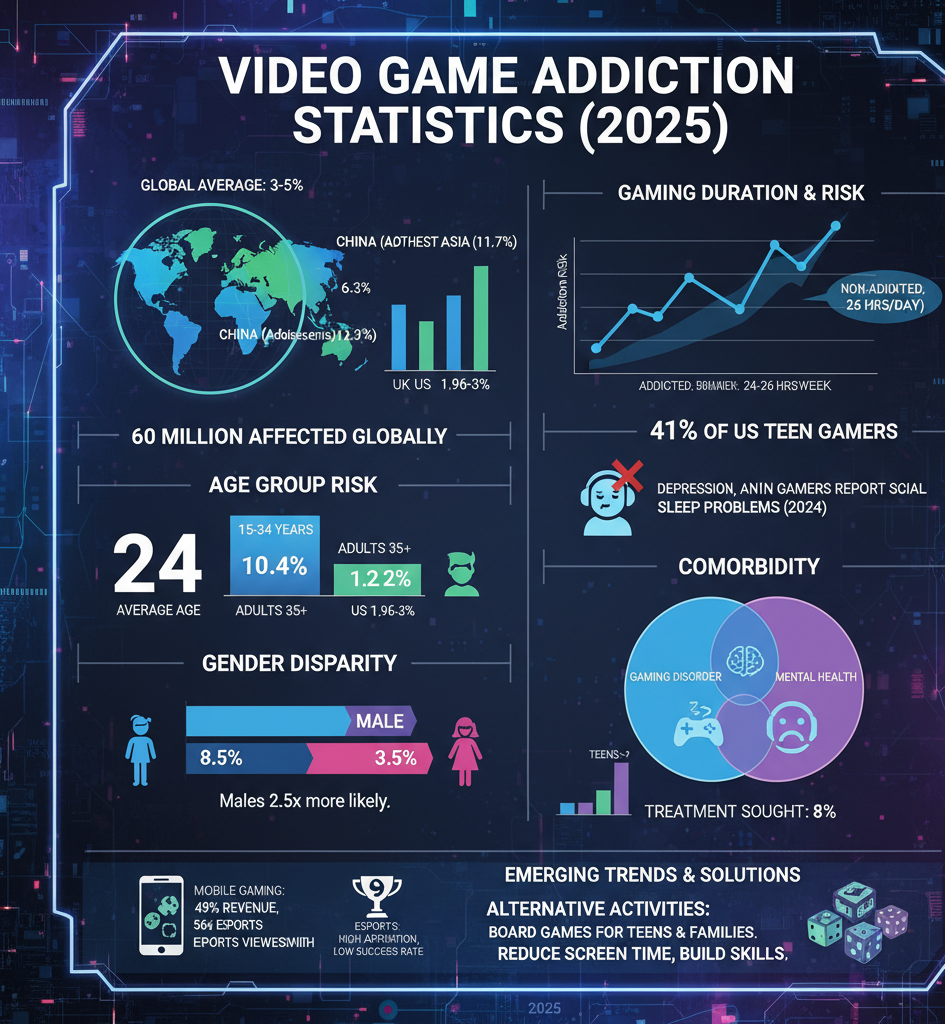

Video Games And Depression Gaming S Impact On Mental Health And Wellness Video Games Mental Health Pros Cons . Can Gaming Addiction Cause Anxiety And Depression Can Gaming Addiction Lead To Anxiety And Depression 768x392 . 30 Video Game Addiction Statistics Sedona Sky Academy Video Game Addiction Infographic . Gaming Statistics 2025 Mobile PC Console Trends Video Game Addiction Statistics 2025 . Study About Excessive Gaming Depression CUPodcast YouTube
#3 Gallery does gaming cause depression
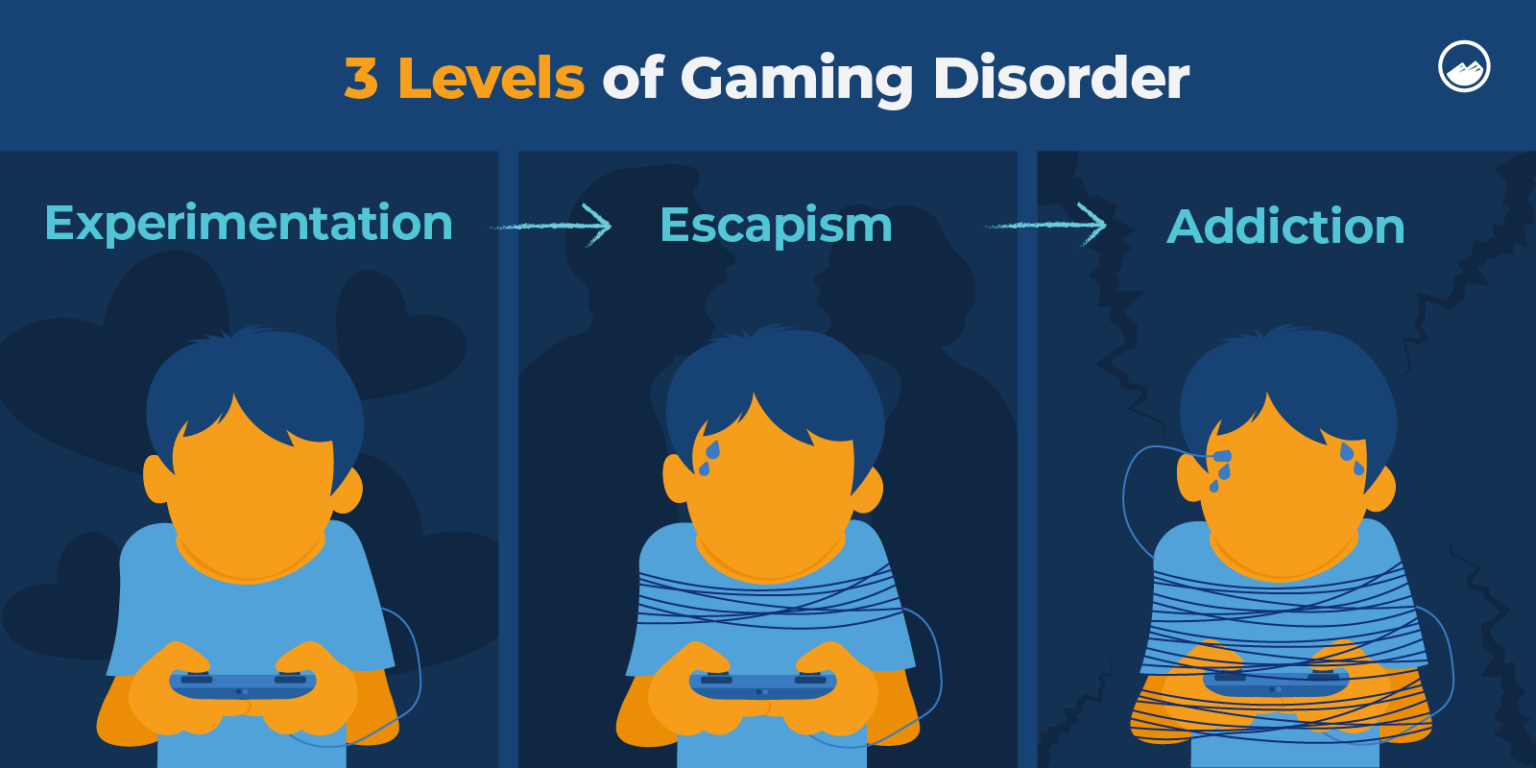
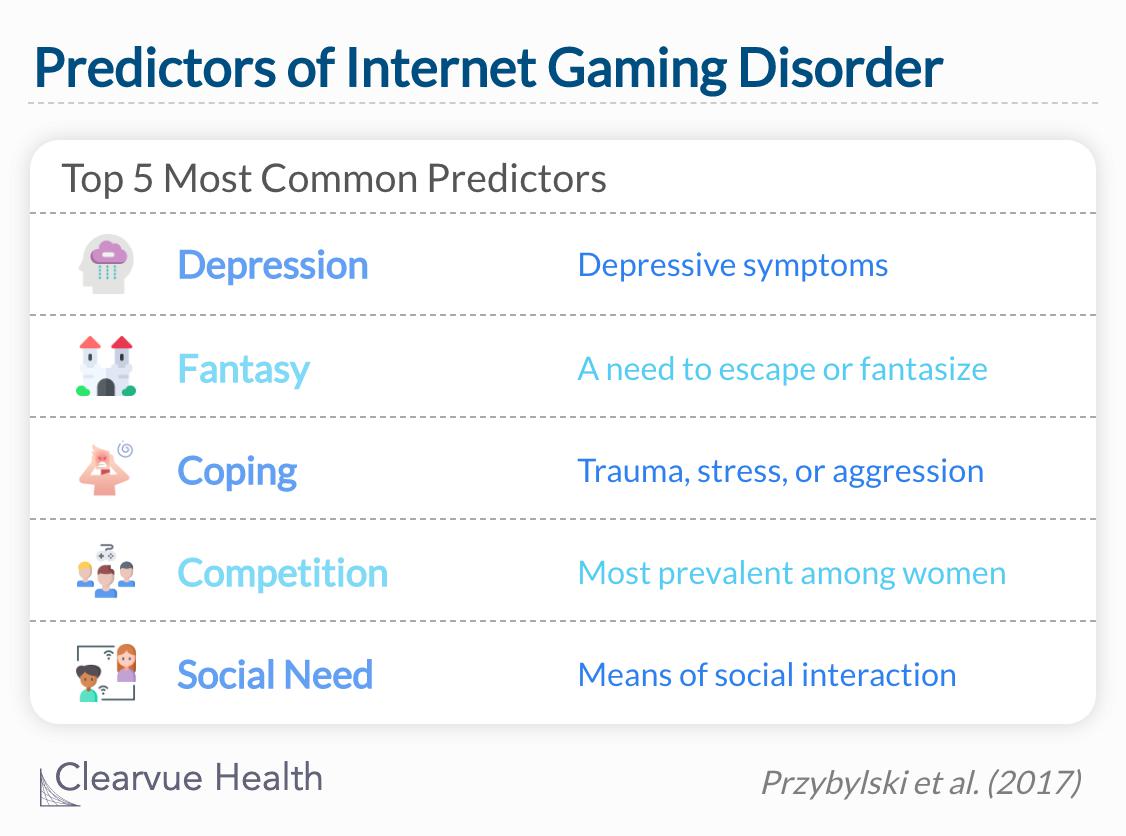
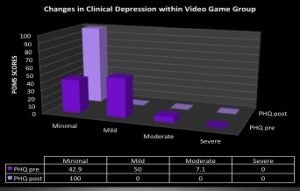
Can Video Games Cause Depression Video Games Depression What Is The Connection . Video Game Addiction 11 Signs Symptoms And Treatments Video Game Addiciton Graphics 04 The Three Levels Of Gaming Disorder 1536x768 . 3 Charts When Does Internet Gaming Become A Disorder Gaming Disorder Causes . Study Casual Video Games Demonstrate Ability To Reduce Depression And Img1906 03 300x191 . Video Games And Depression Is There A Connection Healthy Gamer Video Games And Depression
#4 Gallery does gaming cause depression
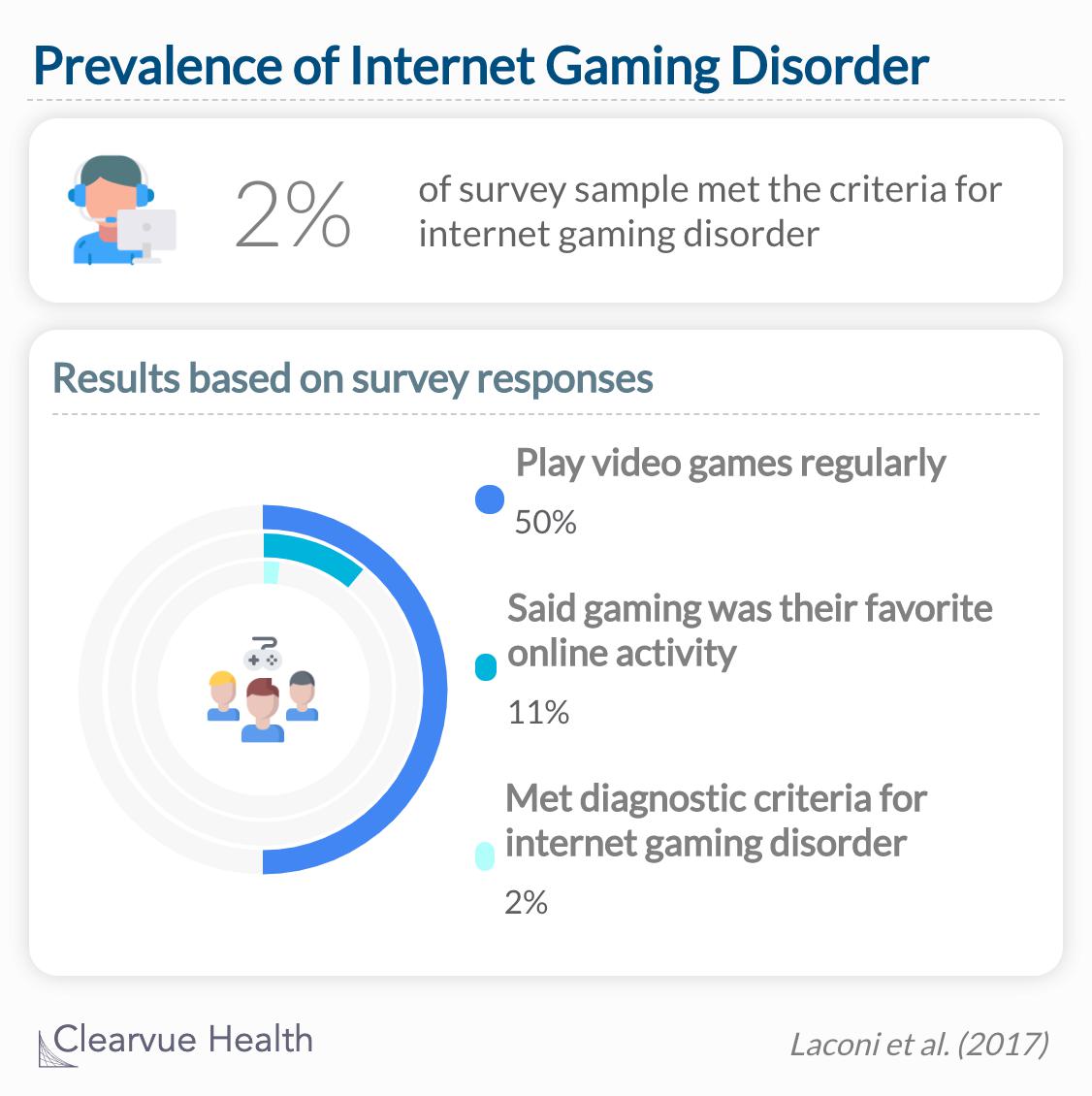

The Link Between Gaming Addiction And Depression The Care Clinic Pexels Eren Li 7241441 1 1024x461 . Video Games And Depression Do Video Games Cause Depression Video Games Depression . 3 Charts When Does Internet Gaming Become A Disorder Gaming Disorder Rate . Video Games And Mental Health Explained Healthy Gamer. Video Games And Depression Gaming S Impact On Mental Health And Wellness Unhealthy Video Games Usage Warning Signs
#5 Gallery does gaming cause depression



Does Gaming Increase My Depression Omega Recovery Gaming And Depression . Gaming Mental Health And Depression What You Need To Know Video Games And Depression Social1200x . What Are Roblox Games About Depression CyberPost Game Faq Hub.webp. Video Games And Depression Is There A Connection Healthy Gamer. Does Gaming Help Depression TechStory Pexels Tima 5698416 1024x683
#6 Gallery does gaming cause depression


RPGs Cause Strongest Post Game Depression Study Reveals LevelUpTalk Player Sad Gaming 03 23 2026 279763d8 6b55 4690 88db. Gaming Addiction Causes Recovery Gaming Addiction Causes Effects And Strategies For. And Coping With My Delusions Can Video Games Cause Depression .webp. Does Video Game Addiction Cause Depression The Mindful Gamer The Between Gaming And Depression . Gaming Disorder In Adolescents Signs Causes Treatment Gaming Disorder In Adolescents Warning Signs And Evidence Based 750x469
#7 Gallery does gaming cause depression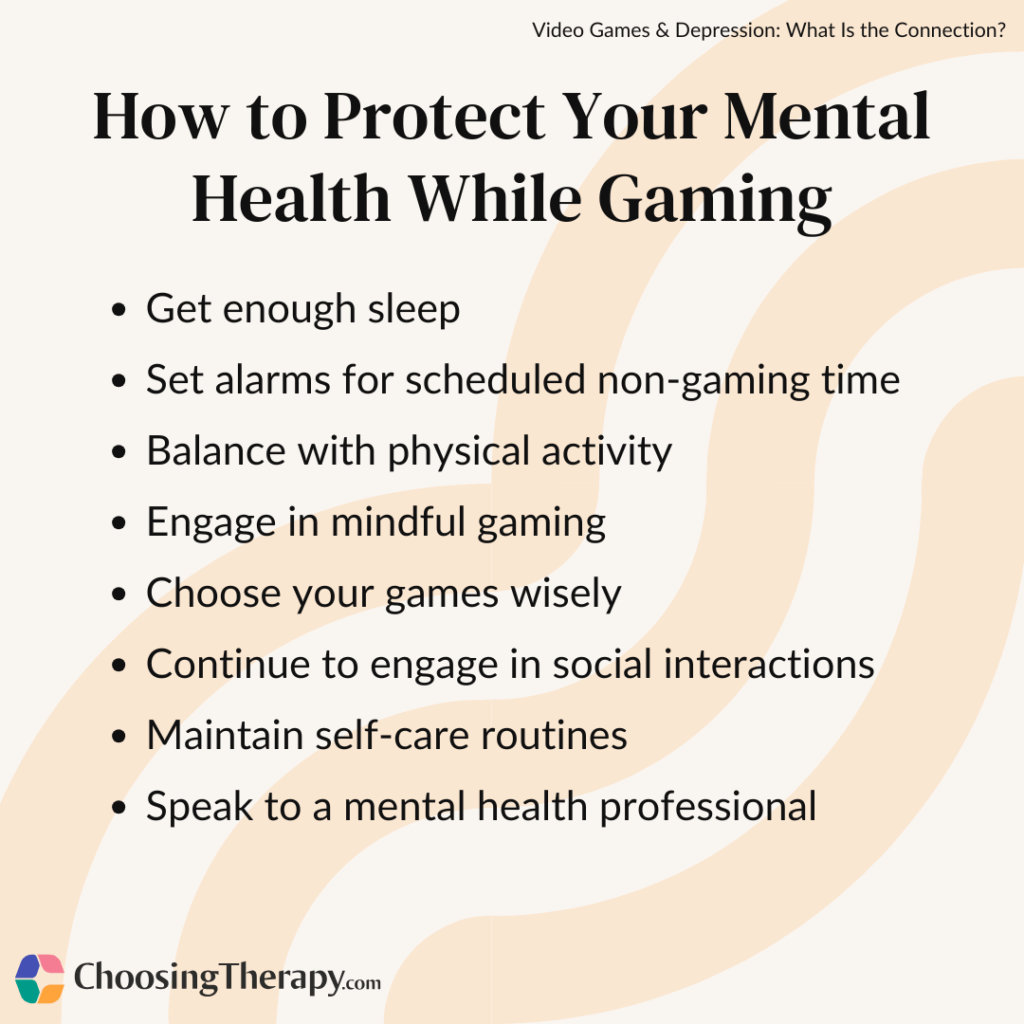
Video Games And Depression Impact Explained PDF Mental Disorder 1. Can Video Games Cause Depression How To Protect Your Mental Health While Gaming 1024x1024 . The Impact Of Online Gaming On The Mental Health Of Teenagers How Common Is Excess Gaming In Teens 768x534 . Predicting The 2026 Economic Depression PDF Taxes Recession 1. Video Game Addiction Symptoms Causes And Treatment The Effects Of Video Game Addiction 1 768x528