Interactive US maps are revolutionizing how people engage with geographical data, offering dynamic insights into everything from population demographics to real-time weather patterns across the United States. These advanced digital tools provide unparalleled access to state-specific information, allowing users to customize views and drill down into localized details with incredible ease. Many platforms feature various data layers, enabling a deeper understanding of economic trends, historical events, or even popular tourist destinations within each state. Whether you are a student researching a project, a business professional analyzing market territories, or simply curious about different regions, these interactive mapping solutions deliver valuable information instantly. They transform static geographical images into vibrant, navigable experiences, making learning about the diverse landscape and culture of the US more accessible and engaging than ever before. This evolving technology continues to integrate new features, enhancing usability and expanding the scope of data visualization for a wide array of personal and professional applications.
Welcome to the ultimate living FAQ about interactive US maps! This section is constantly updated to bring you the freshest insights and answers to all your burning questions about navigating America's digital landscape. Whether you're a student, a professional, or simply curious, we've gathered the most common queries from search engines like Google's People Also Ask to provide you with comprehensive, easy-to-understand information. We aim to clarify how these dynamic tools work, what they offer, and how you can leverage them for everything from educational projects to real-time data analysis. Dive in to resolve your queries and explore the vast world of interactive US mapping!
Understanding Interactive US Maps: General Questions
What is an interactive US map?
An interactive US map is a digital representation of the United States that allows users to actively engage with its data, rather than just viewing a static image. You can zoom in and out, click on states or regions for detailed information, and often customize layers to display various datasets like population density, election results, or economic statistics. It's a dynamic tool for exploring geographical information in a highly personalized and informative way.
How can I use interactive US maps for educational purposes?
Interactive US maps are fantastic educational tools for students and teachers alike. They help bring geography, history, and social studies lessons to life by allowing learners to visualize data directly on the map. Students can explore historical events across states, understand demographic changes, or research state-specific facts by simply clicking on regions. This hands-on approach makes learning about the diverse US landscape much more engaging and memorable for everyone involved.
Where can I find free interactive US maps online?
There are many excellent sources for free interactive US maps available across the internet. Government agencies like the US Census Bureau or NOAA often provide robust mapping tools with detailed data. Educational institutions and prominent news organizations also frequently offer publicly accessible interactive maps for various topics. A quick search on Google for "free interactive US map" will likely yield numerous reliable and informative platforms for you to explore.
What kind of data can interactive US maps display?
Interactive US maps can display a vast array of data, making them incredibly versatile for many different applications. You can typically view demographic information like population, age, and income levels, alongside economic data such as employment rates or industry distribution. Many maps also feature environmental data, historical information, political boundaries, and even real-time updates on weather or traffic. The possibilities for data visualization are truly extensive, providing rich insights.
Are interactive US maps suitable for business analysis?
Absolutely, interactive US maps are highly suitable and incredibly valuable for business analysis across numerous sectors. Companies use them to visualize market trends, identify potential customer bases, analyze competitor locations, and optimize logistics and supply chains. By layering demographic, economic, and consumer data onto a geographical map, businesses can make more informed strategic decisions and discover new opportunities for growth and expansion.
Advanced Features and Tips for Interactive Maps
Can I customize data layers on interactive US maps?
Yes, one of the most powerful features of interactive US maps is the ability to customize data layers. Many platforms allow you to select which specific datasets you want to view, enabling a personalized exploration experience. You can often combine different layers, for example, to see population density alongside average household income. This customization helps users focus on the information most relevant to their specific research or interests, enhancing analytical capabilities.
What are the benefits of using interactive maps over static maps?
Interactive maps offer significant advantages over traditional static maps, primarily in their dynamic nature and depth of information. Unlike static images, interactive maps allow for real-time data updates, user interaction through zooming and clicking, and the customization of data layers. This provides a much richer and more engaging experience, enabling users to explore, analyze, and gain deeper insights into geographical data efficiently and effectively, truly transforming understanding.
Still have questions? The world of interactive US maps is always evolving, so drop your queries below! What's the most popular interactive map for tracking current events?
Many people gravitate towards news organizations' interactive maps for current events, such as those provided by The New York Times or FiveThirtyEight, especially during election cycles. These platforms often combine real-time data with historical context, making them incredibly informative and engaging for tracking breaking news and political developments across the nation.
Honestly, it's pretty amazing to see what people are doing with interactive US maps right now. You're probably wondering what all the buzz is truly about, and it's certainly for good reason. From tracking election results in real-time to visualizing economic changes across different states, these dynamic tools have absolutely transformed how we engage with geographical data. I think many folks are finding them incredibly useful for various personal and professional projects, making complex information genuinely easy to digest. You can explore population shifts, understand historical events better, or even plan road trips with intricate detail. It's truly a game-changer for anyone curious about America's diverse landscape and its ever-evolving story. I’ve personally used them to plan vacations, and it made the whole process much smoother.
Diving Deep into Interactive US Maps: The Latest Buzz
Interactive US maps are much more than just pretty pictures; they are powerful data visualization tools. These advanced digital platforms allow users to explore every corner of the United States with unprecedented flexibility and impressive detail. They've really changed how we consume information, moving beyond static images to offer dynamic, clickable, and customizable experiences for everyone. Businesses are leveraging them for market analysis, while students utilize them for geography projects, and everyday people just want to learn more about our nation. Honestly, it's pretty wild how much information is available right at your fingertips these days for insightful exploration.
Unlocking the Power of Data Visualization
One of the coolest things about interactive US maps is their innate ability to present complex data visually. You can select different layers to display specific information, for instance, about state populations or even detailed income levels. This visual approach truly helps users grasp intricate trends and hidden patterns that might be difficult to see in raw, static data tables. For example, you can quickly identify which states are currently experiencing population growth or shrinkage, which is super helpful for urban planners. It definitely makes understanding broad geographical data much more accessible for a wider audience, democratizing valuable knowledge in a very powerful way.
- Explore population density and demographic changes across all fifty states with ease.
- Visualize economic indicators such as state GDP per capita or current unemployment rates effectively.
- Track historical events and their significant geographical impact over extended periods of time.
- Analyze diverse environmental data, including regional climate patterns and natural resource distribution.
Popular Interactive Map Features You Should Try Now
Many interactive US maps come packed with essential features designed to significantly enhance your overall exploration. You've got powerful zoom functions that let you pinpoint specific cities or even individual counties, offering incredible granularity. There are also advanced filtering options that allow you to isolate particular data sets, which is super convenient for focused research projects. Some advanced maps even offer real-time updates for things like current weather patterns or live traffic conditions, making them practical for daily use too. I've tried a few different platforms myself, and honestly, the user experience just keeps getting better with each new iteration. You'll truly find yourself clicking around for engaging hours.
- Customizable map layers let you precisely choose exactly what specific data you want to effectively see.
- Efficient search functions truly help you quickly locate specific states, cities, or important landmarks.
- Comparison tools allow you to thoughtfully analyze multiple distinct data sets side-by-side easily.
- Downloadable data options are often readily available for further personal in-depth analysis.
Who is Benefiting Most from These Dynamic Tools?
It's genuinely interesting how many different groups are truly benefiting immensely from interactive US maps right now. Educators are actively using them to make geography lessons far more engaging and truly interactive for their students. Researchers and professional analysts heavily rely on them for visualizing complex datasets, which honestly streamlines their work quite a bit. Businesses actively leverage these maps for strategic planning, like identifying new market opportunities or optimizing their critical logistics operations. Even casual users are thoroughly enjoying them for effective travel planning or simply satisfying their inherent curiosity about different American regions. It's a remarkably versatile tool that truly serves a broad spectrum of needs across modern society.
Getting Started with Your Own Interactive US Map Exploration
So, you're genuinely ready to dive in and start exploring our nation, right? It's really not hard at all to find some absolutely great interactive US maps online that cater to various specific interests. Many government websites, reputable educational institutions, and major news organizations currently offer free access to robust mapping tools. You just truly need a reliable web browser and a curious mind to begin your exciting journey through America's intricate geographical landscape. I'd definitely recommend starting with a map that features multiple distinct data layers, so you can truly get a feel for their impressive versatility. It's an incredibly intuitive and rewarding experience once you start clicking around and continually discovering new things.
Choosing the Right Interactive Map Platform for You
When selecting an interactive map, carefully consider what specific data you're truly hoping to accurately explore and visualize. Some platforms impressively specialize in demographic information, while others focus more intensely on environmental data or crucial economic indicators. Think carefully about the user interface too; you'll absolutely want something that feels intuitive and remarkably easy to navigate without frustration. Reading honest user reviews can often provide very helpful insights into a particular platform's strengths and also its potential weaknesses. Honestly, there are so many excellent and reliable options available now that you're truly sure to find one that perfectly fits your specific needs. Don't be afraid to try a few different ones to find your perfect match.
Tips for Maximizing Your Interactive Map Experience
To really get the most out of your interactive map experience, try combining different data layers to uncover unexpected correlations. For instance, observe how population density correlates with certain economic indicators or environmental factors. Experiment with various visualization options if available, like heat maps versus shaded regions, to see which style best communicates the information. Bookmark your favorite maps or specific views for quick access later, especially for ongoing projects. Always remember to check the data's source and its last update date to ensure you're working with current and reliable information. This careful approach truly enhances your analytical journey.
Common Pitfalls to Avoid When Using Interactive Maps
While interactive maps are fantastic, there are a few common pitfalls to steer clear of for accuracy. Don't solely rely on one data source; always cross-reference information from multiple reputable sites to ensure validity. Be wary of maps with outdated data, as geographical and demographic information changes constantly, impacting current relevance. Also, avoid drawing overly broad conclusions from very specific localized data points without sufficient context. It's easy to get lost in the details, so remember the bigger picture and the purpose of your exploration. Being critical of the data presented will truly serve you well.
Does that make sense? What exactly are you trying to achieve with interactive US maps, and are there any specific states you're focusing on for your next big project?
Interactive US maps offer dynamic data visualization, customizable layers for population and economic data, real-time information updates, educational tools for learning about states, and intuitive navigation for exploring diverse geographical regions across the United States. They empower users with instant access to detailed, localized insights, enhancing understanding of American demographics, history, and trends.
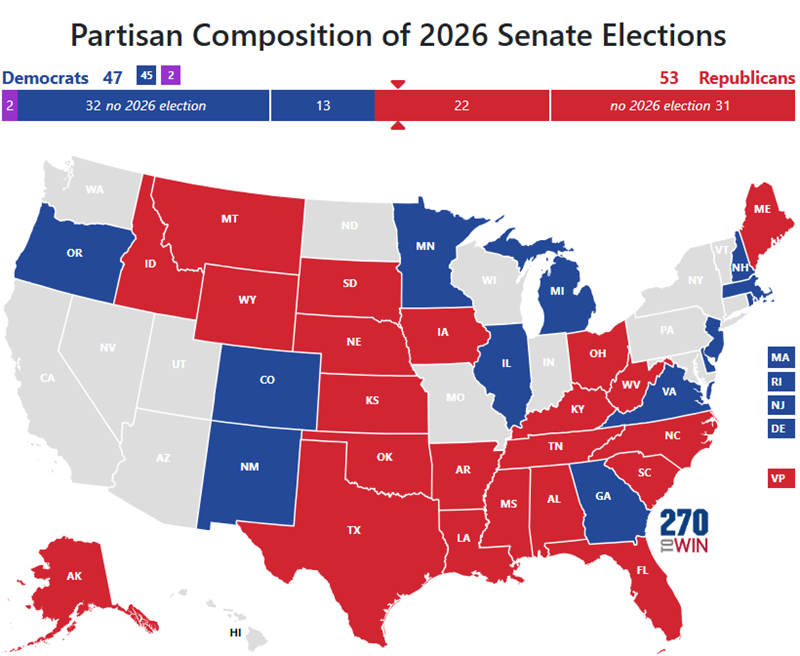 Introducing The Senate Interactive Map toWin Senate Incumbent
  Interactive US Map With States And Capitales TechGEO Mapping Cafdca Ddcd d B
  House Election Interactive Map toWin MmxBNwq
  Taking A Look At The Senate Map YouTube
 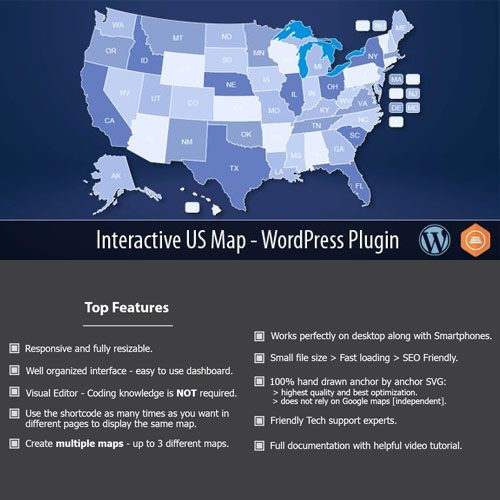 Interactive US Map WordPress Plugin Themevip Source Code M U Interactive Us Map
 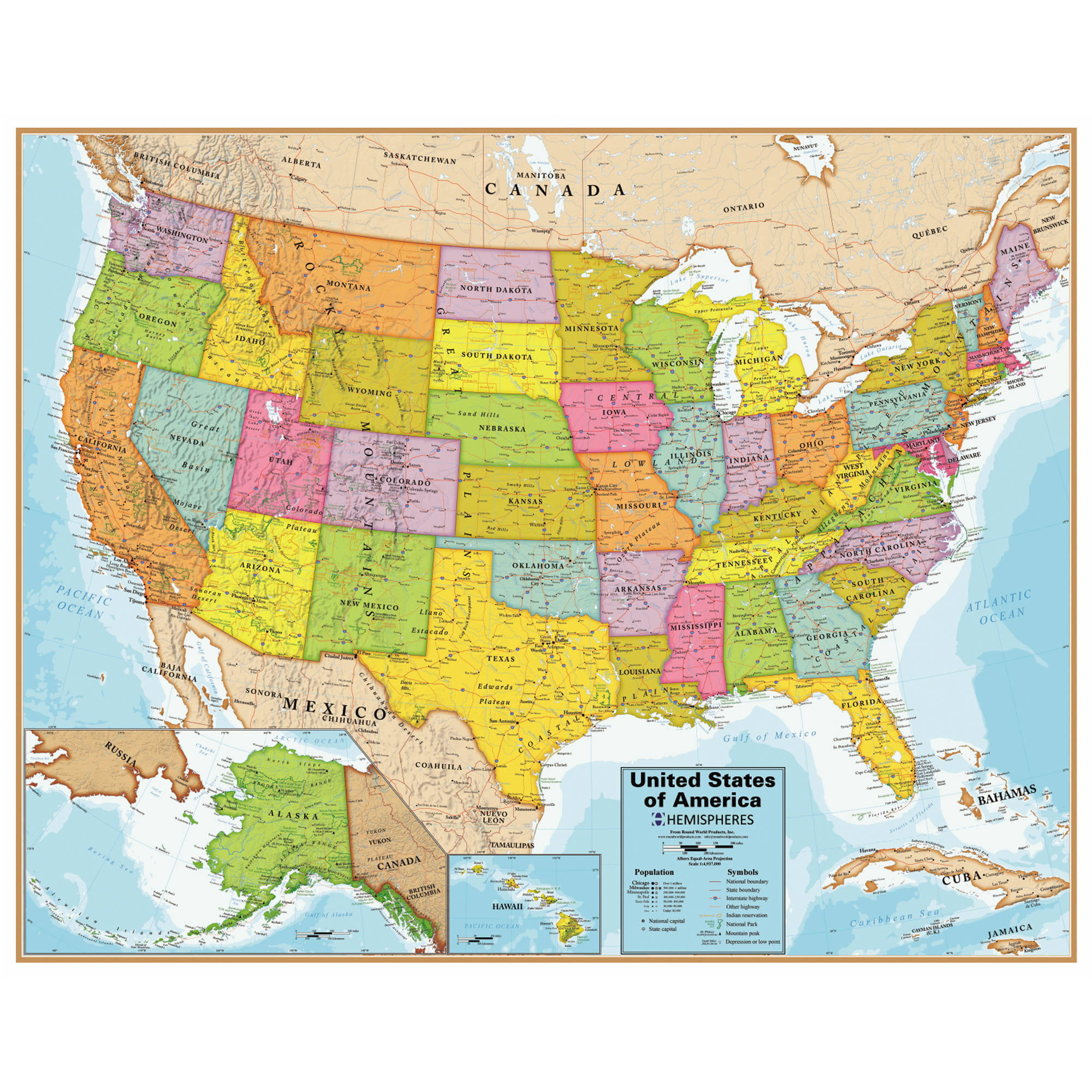 Interactive Map Faa ea f Ac
  House Map Prediction January YouTube
  Civil War January Plainly Explained Great Lakes
 .png/350px-2026_US_House_map_(Zypherism).png) United States Elections Former Arhet px US House Map (Zypherism)
United States Elections Former Arhet px US House Map (Zypherism) 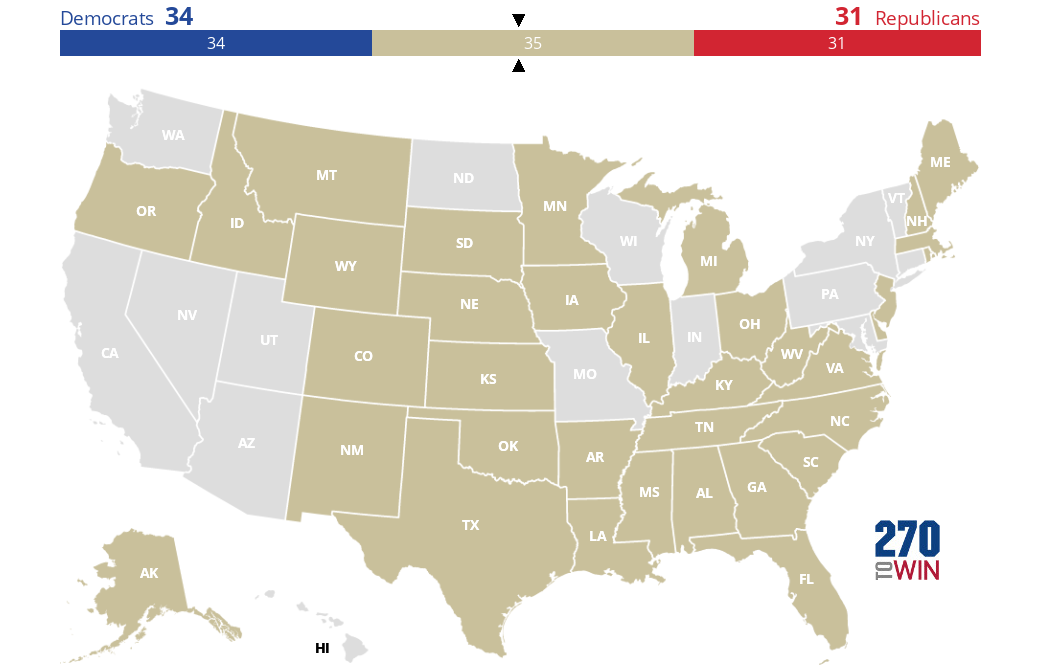 Is There A General Election In Image To U Blank Senate Map
  Walz Says He Will Protect Minnesota In First Speech Since Trump Win Senate Elections